



Landlords across London are preparing for one of the most significant evolutions in rental safety compliance in years. By 2026, the Landlord Gas Safety Certificates a long-established legal requirement will undergo substantial updates in structure, expectations, verification, and enforcement.
These changes aim to increase tenant protection, modernise property standards, and ensure that Landlord Gas Safety Certificates maintain full accountability for the maintenance and safety of every gas appliance present in their rental homes.
For landlords in the UK and especially in London, where rental properties are older, denser, and heavily regulated, understanding the updated rules for 2026 is no longer optional. It’s essential for avoiding penalties, maintaining property legitimacy, and staying ahead of new safety standards.
Why 2026 Marks a Transformational Year for Gas Safety Compliance
London’s rental sector is undergoing a major shift driven by several factors:
- A rise in tenant safety expectations
- Increased government oversight
- Digital tracking of compliance records
- More stringent insurance requirements
- A focus on long-term appliance condition, not just annual checks
These changes have pushed authorities to modernise the Gas Safety (Installation and Use) Regulations, leading to refined rules around inspections, reporting, engineer verification, and ongoing maintenance.
In short: the 2026 Gas Safety Certificate is no longer just an annual document—it becomes a comprehensive compliance system.
What Defines the Updated Landlord Gas Safety Certificates of 2026?
1. More Detailed, Multi-Point Inspection Standards
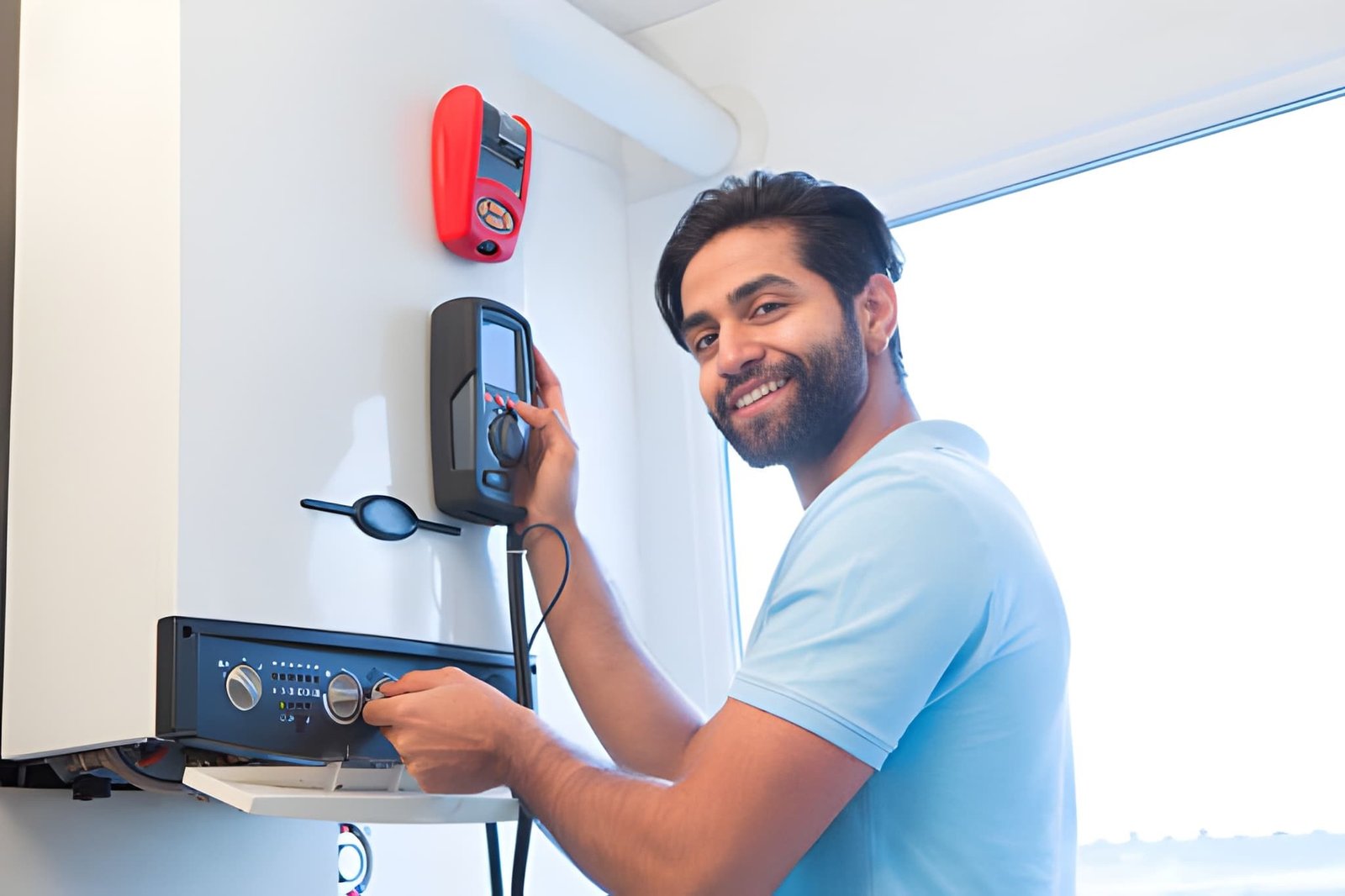
The 2026 update expands the traditional safety check into a more thorough evaluation. Engineers will focus on:
- Advanced combustion analysis
- Appliance efficiency and fuel usage
- Ventilation flow and obstruction risks
- Structural integrity of gas pipework
- Real-time carbon monoxide risk assessment
- Long-term appliance deterioration
- Proof of past maintenance
Where previous certificates verified appliance function and immediate safety, the new standard emphasises performance, lifespan, and future risk prevention.
This is particularly crucial in London, where many properties contain older boilers and appliances nearing end-of-life.
2. Digital Certificate Registration and Verification
One of the most defining upgrades of 2026 is the shift to digitally registered Landlord Gas Safety Certificates.
Certificates will be:
- Logged in secure online registers
- Linked to the property’s UPRN (Unique Property Reference Number)
- Accessible to councils, insurers, and tenants
- Trackable for expiry and renewal dates
For landlords, this eliminates lost paperwork—but increases accountability. Expired certificates will be automatically flagged by local authorities.
Websites such as gassafetycertificateuk.co.uk will play an essential role in providing online verification, digital downloads, and automated renewal reminders.
3. Stricter Enforcement by London Councils
London boroughs—including Westminster, Camden, Haringey, Islington, and Hackney—have already intensified rental inspections.
By 2026, enforcement will become even more proactive, including:
- Instant fines for expired certificates
- Property visits triggered by tenant reports
- Requirement of certificates during licensing reviews
- More court actions for persistent non-compliance
Landlords who previously relied on “grace periods” or paperwork delays will no longer be afforded such flexibility. The updated 2026 rules emphasise zero tolerance for lapses.
4. Better Integration With Landlord Licensing Schemes
Selective, additional, and HMO licensing schemes across London will incorporate updated Gas Safety Certificate rules.
Expect requirements such as:
- Uploading the certificate during licence application
- Providing updated versions mid-licence
- Submitting maintenance and repair logs
- Demonstrating long-term compliance practices
For HMO landlords in areas such as Tottenham, Seven Sisters, Whitechapel, and Stratford, this is one of the most important defining changes of 2026.
5. Enhanced Engineer Verification and Identity Checks
The 2026 certificate update ensures that only qualified, Gas Safe-registered engineers issue valid documents.
Expect new verification measures:
- Automatic cross-checking of the engineer ID
- QR-code verification on certificates
- Digital engineer signatures
- More frequent audits of engineer compliance
Fake or unqualified certificates—which have been a growing problem—will become nearly impossible to produce under the new system.
6. Stronger Emphasis on Carbon Monoxide Prevention
Carbon monoxide risks are a major focus of the 2026 safety reforms.
Updated certificates will require:
- Testing of CO alarms
- Verification of correct alarm placement
- Fault logging for malfunctioning detectors
- Emphasis on manufacturer standards for installation
Landlords must keep alarms fully functional throughout the tenancy—not just at move-in.
7. Inclusion of Long-Term Maintenance History
Another defining feature of the 2026 certificate is the requirement for landlords to maintain a clear historical record of all repairs, replacements, and servicing work.
Engineers may ask to see:
- Boiler service logs
- Installation documentation
- Repair receipts
- Flue maintenance notes
- Previous certificates
A property without proper maintenance history may fail certification—even if no immediate hazard is found.
8. Greater Tenant Access and Transparency
By 2026, tenants will have improved legal rights to see, request, and verify safety documents.
Landlords must:
- Supply the certificate digitally
- Provide it before move-in
- Share updated copies within 28 days of inspection
- Allow tenants to verify certificate authenticity online
This prevents landlords from providing outdated or misleading safety information.
What These Changes Mean for London Landlords
The 2026 updates elevate the Landlord Gas Safety Certificate into a broader compliance system—one that reflects ongoing responsibility rather than once-a-year inspection.
London landlords should expect:
- Tighter scrutiny
- Zero tolerance for missing certificates
- More tenant involvement
- Increased digital visibility
- Greater emphasis on appliance lifespan and efficiency
Those who prepare early will avoid penalties, protect their property, and strengthen their professional credibility.
How Landlords Can Prepare Now
1. Start Digital Recordkeeping Immediately
Upload all certificates, service records, and repair logs to a secure online system.
2. Switch to Digital Certificate Providers
Platforms like gassafetycertificateuk.co.uk allow landlords to store, verify, and access certificates easily.
3. Upgrade Old Boilers and Appliances
Units over 12–15 years old may struggle to meet 2026 efficiency standards.
4. Schedule Inspections Early
Avoid last-minute bookings or delays.
5. Train Staff or Letting Agents in 2026 Requirements
Ensure everyone managing properties understands the updated regulations.
In 2026 Redefines Gas Safety for UK Landlords
The updated Landlord Gas Safety Certificate of 2026 brings a new era of transparency, enforcement, and technical standards.
Where past certificates focused on basic compliance, the new version demands:
- Long-term maintenance
- Digital verification
- Transparent reporting
- Efficient appliances
- Verified engineer qualifications
- Tenant access
- Stronger carbon monoxide protection
Landlords who commit to these upgraded requirements will protect their properties, strengthen tenant relationships, and ensure compliance within London’s evolving regulatory landscape.
FAQs
1. Are Landlord Gas Safety Certificates still required annually in 2026?
Yes. Certificates remain valid for 12 months—but inspections follow stricter standards.
2. Will digital certificates replace paper copies?
Yes. 2026 rules prioritise digital registration, verification, and storage.
3. Do tenants have more rights to access certificates?
Absolutely. Tenants can request and verify certificates online at any time.
4. Can a landlord be fined for an expired certificate?
Yes. London councils will issue immediate penalties for any lapse in compliance.
5. Who can issue a valid 2026 Gas Safety Certificate?
Only Gas Safe registered engineers with verifiable digital credentials.
6. Do HMOs face stricter rules?
Yes. Multi-occupancy properties require more extensive documentation and inspection detail.
7. Where can landlords get 2026-ready certificates?
At trusted platforms like gassafetycertificateuk.co.uk, which provide digital documentation and UK-wide Gas Safe inspections.