When people hear the term “gas safety certificate,” it often sounds technical, complicated, and a bit overwhelming. But in reality, it’s much simpler—and more important—than it seems.
If you own or manage a property in Finsbury Park, understanding gas safety isn’t just about compliance. It’s about protecting lives, avoiding costly issues, and keeping your property running smoothly.
Understanding Gas Safety in Real Life
Let’s start with a simple scenario.
Imagine you’re renting out a flat. Everything looks fine. The boiler works, the cooker ignites, and tenants seem happy.
But behind the scenes, there could be the following:
- A tiny gas leak
- A partially blocked flue
- Poor ventilation is causing carbon monoxide buildup
These are invisible risks, and that’s exactly why gas safety certificates exist.
What is a Gas Safety Certificate (And Why Should You Care)?
Let’s start simple.
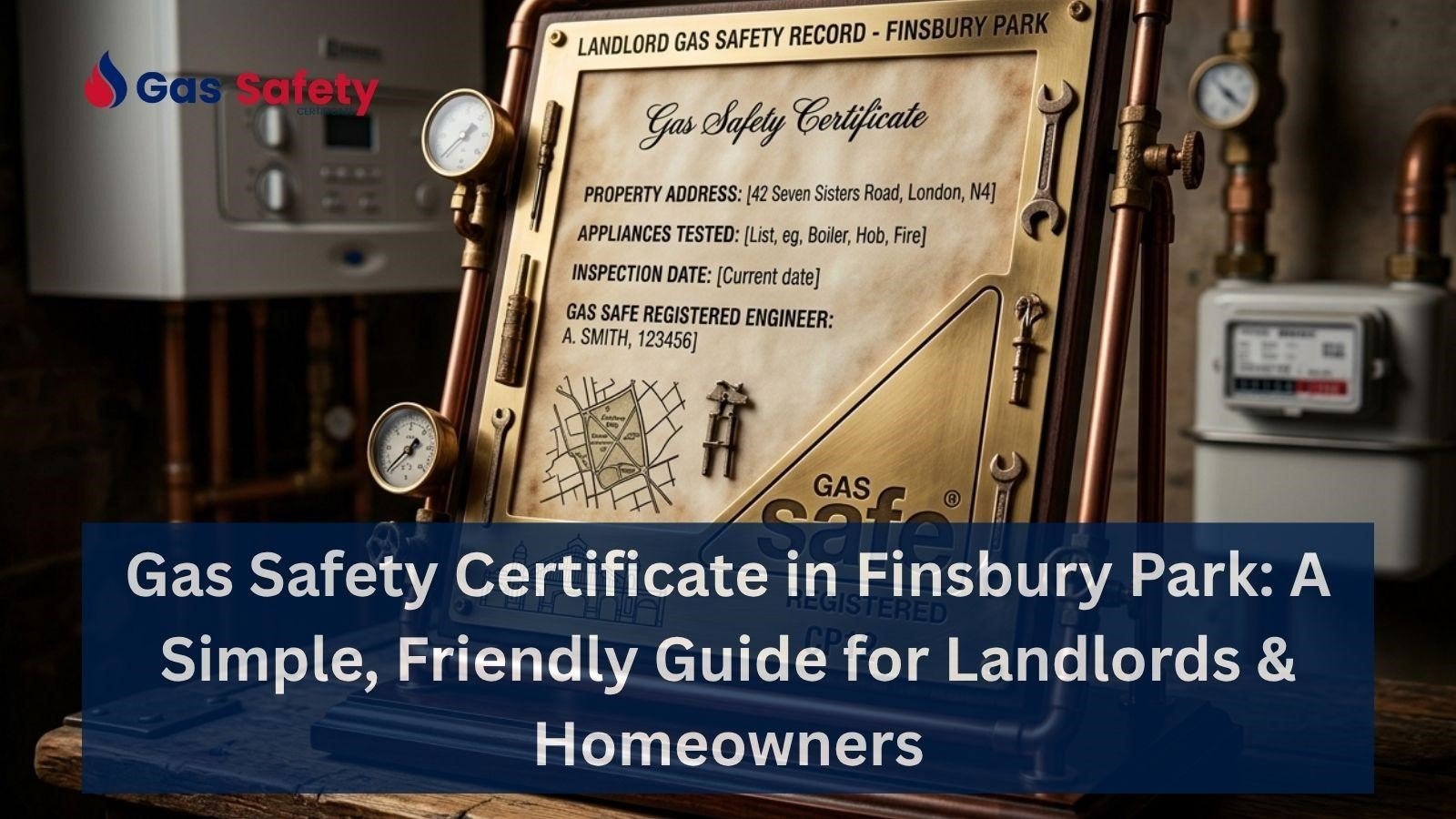
A Gas Safety Certificate in Finsbury Park—often called a CP12—is an official document that confirms all gas appliances in a property are safe to use.
Think of it like an annual health check—but for your property’s gas system.
What gets checked?
A certified engineer will inspect the following:
- Gas boilers
- Gas cookers and hobs
- Gas fires
- Pipework and flues
- Ventilation systems
If everything passes, you get your certificate. If not, the engineer will explain what needs fixing.
Why Gas Safety Is So Important
Gas is incredibly useful—but it can also be dangerous if something goes wrong.
Here’s what proper gas safety helps prevent:
Carbon Monoxide Poisoning
Carbon monoxide is
- Invisible
- Odourless
- Potentially fatal
Without proper checks, leaks can go unnoticed.
Gas Leaks & Explosions
Faulty appliances or damaged pipes can lead to serious hazards.
Property Damage
Unsafe gas systems can cause fires, breakdowns, and expensive repairs.
In short, a Gas Safety Certificate in Finsbury Park protects your tenants, your property, and your peace of mind.
Legal Responsibilities in Finsbury Park
If you’re a landlord in Finsbury Park, this isn’t optional—it’s a legal requirement.
What the law says:
You must:
- Arrange an annual gas safety check
- Use a Gas Safe registered engineer
- Provide tenants with a copy of the certificate within 28 days
- Keep records for at least 2 years
Failing to comply can lead to:
- Heavy fines
- Legal action
- Invalid insurance
What Makes Gas Safety Important in Finsbury Park?
Finsbury Park is a vibrant, diverse area with a mix of:
- Victorian homes
- Converted flats
- Modern developments
Each type of property has different gas setups, which means:
- Regular inspections are even more important
- Older properties may need extra attention
- High tenant turnover increases the responsibility for landlords
How the Gas Safety Process Works (Step-by-Step)
Let’s make this super easy to understand.
Book an Inspection
You schedule a visit with a qualified engineer.
On-Site Inspection
The engineer checks all gas appliances and systems.
Safety Testing
They test for:
- Gas leaks
- Proper pressure levels
- Ventilation efficiency
Results & Report
You’ll receive:
- A Gas Safety Certificate (if everything is safe)
- Or a report with required fixes
Fix Issues (If Needed)
Any faults must be repaired before certification.
What Engineers Actually Look For
During the inspection, engineers don’t just “take a quick look”—they follow strict safety protocols.
Key checks include:
- Appliance condition
- Burner efficiency
- Flue performance
- Carbon monoxide emissions
- Gas tightness
This ensures your system isn’t just working—it’s working safely.
How Often Do You Need a Gas Safety Certificate?
- Landlords: Every 12 months (mandatory)
- Homeowners: Recommended annually
Even if you’re not legally required as a homeowner, regular checks can:
- Prevent breakdowns
- Save money long-term
- Keep your family safe
Common Myths About Gas Safety Certificates
Let’s clear up a few misconceptions:
“My boiler is new, so I don’t need a check.”
Even new appliances need inspection to ensure proper installation.
“It’s just paperwork.”
It’s actually a full safety inspection—not just a document.
“Tenants are responsible.”
No—landlords are legally responsible.
Landlords vs. Homeowners: Who Needs It More?
Landlords
- Legally required
- Must provide documentation
- Responsible for tenant safety
Homeowners
- Not legally required
- Strongly recommended
- Helps avoid emergencies
Bottom line: everyone benefits from gas safety checks.
Signs You Might Have a Gas Problem
Don’t wait for an inspection if you notice the following:
- Strange smells (like rotten eggs)
- Yellow or orange flames (instead of blue)
- Soot or scorch marks
- Unusual boiler noises
- Headaches or dizziness indoors
These could indicate serious issues—get help immediately.
What Happens If You Fail the Inspection?
It’s not the end of the world.
If something fails:
- The engineer explains the issue
- You receive a warning or “At Risk” notice
- Repairs are carried out
- A follow-up check is completed
Once everything is safe, you’ll receive your certificate.
Why choose gassafetycertificateuk.co.uk?
When it comes to gas safety, you want reliability, speed, and professionalism.
That’s exactly what gassafetycertificateuk delivers.
What makes them stand out:
- Fully qualified Gas Safe engineers
- Fast and flexible booking
- Clear communication (no jargon)
- Trusted by landlords across London
- Smooth, hassle-free process
They make something complex feel simple.
Benefits of Staying Compliant
Getting your gas safety certificate isn’t just about ticking a box.
Key advantages:
- Protects lives
- Avoids legal trouble
- Keeps insurance valid
- Maintains property value
- Builds tenant trust
Tips for a Smooth Inspection
Want everything to go smoothly? Follow these tips:
- Ensure access to all appliances
- Keep manuals handy (if available)
- Inform tenants in advance
- Clear space around boilers and meters
Future-Proofing Your Property
Gas safety isn’t just about today—it’s about long-term protection.
Smart steps:
- Schedule annual reminders
- Upgrade old appliances
- Install carbon monoxide alarms
- Keep maintenance records organized
FAQs
1. What is a Gas Safety Certificate?
It’s an official document confirming that all gas appliances in your property are safe and compliant.
2. Is it mandatory for landlords in Finsbury Park?
Yes, landlords must obtain one every year by law.
3. How long does an inspection take?
Typically, between 30 minutes and an hour, depending on the property.
4. Do tenants need to do anything?
Tenants must allow access for inspections, but the responsibility lies with the landlord.
5. What happens if I don’t get one?
You could face fines, legal action, and insurance issues.