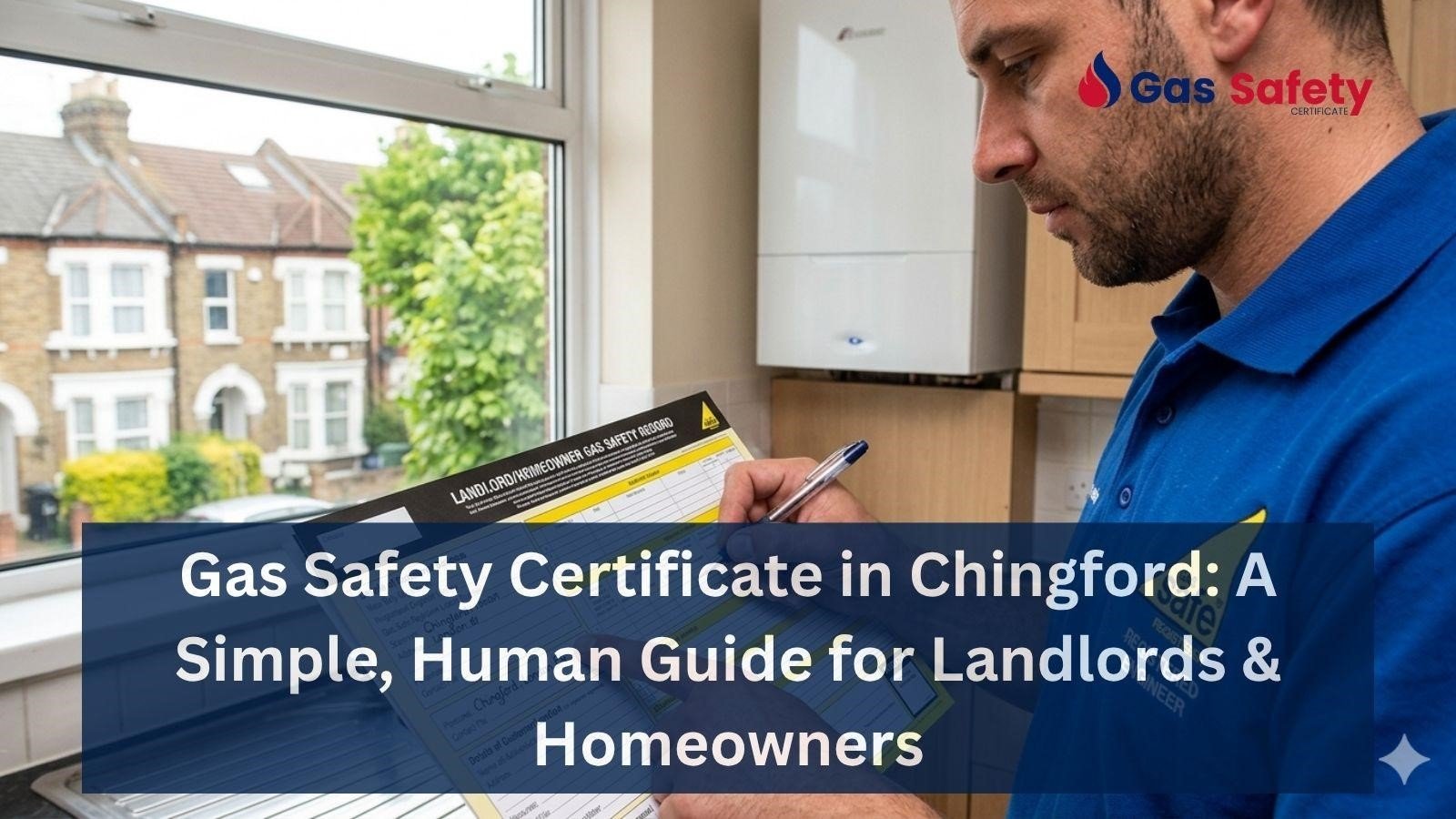
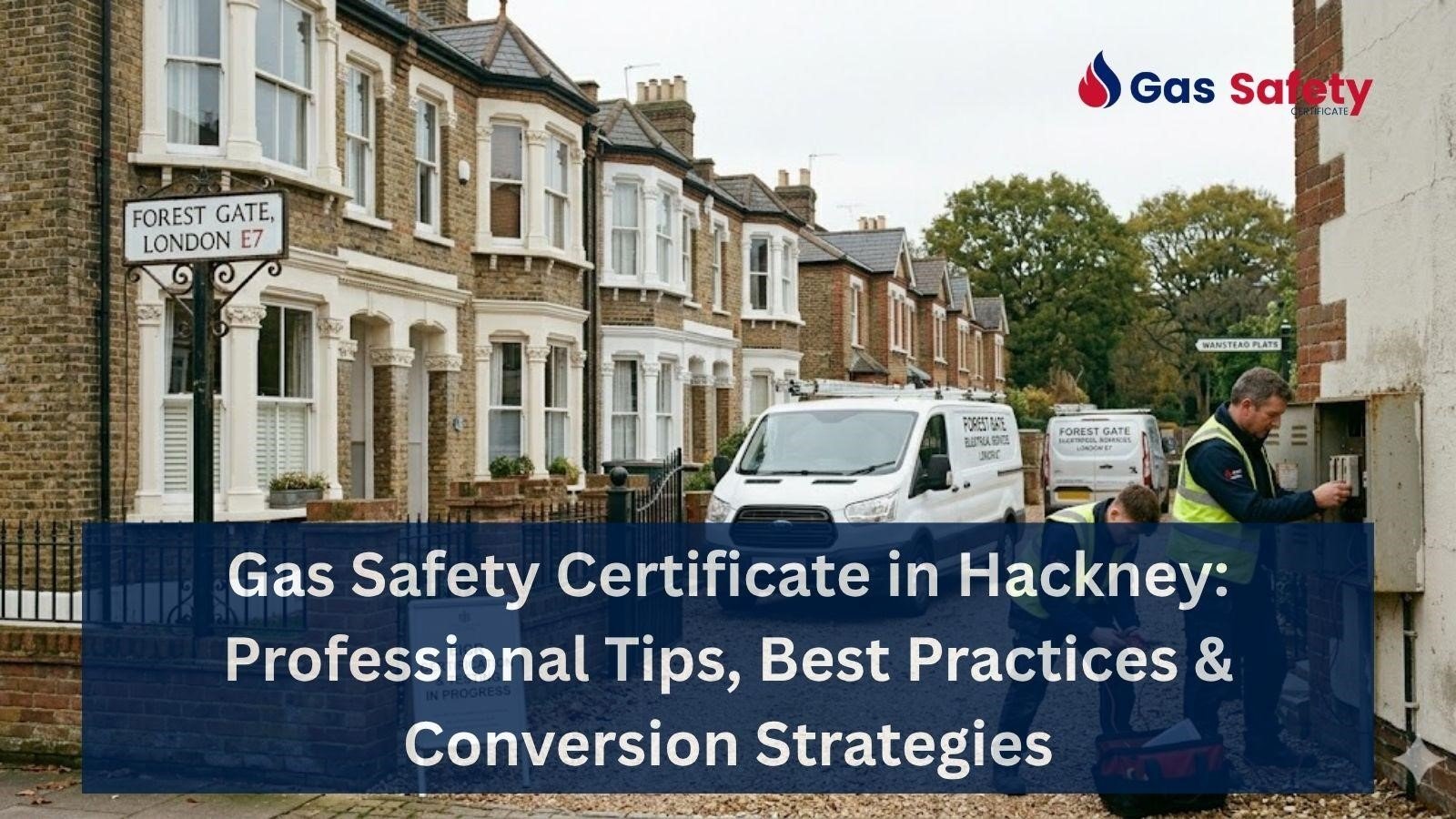
When it comes to property management and tenant safety, obtaining a gas safety certificate in Hackney is not just a legal requirement—it’s a critical responsibility. Whether you are a landlord, letting agent, or homeowner, understanding the nuances of gas safety compliance can protect lives, avoid penalties, and enhance your property’s value.
Understanding Gas Safety Certificates in Hackney
A Gas Safety Certificate (also known as CP12) confirms that all gas appliances, fittings, and flues within a property have been inspected and are safe to use.
In areas like Hackney, where rental properties are in high demand, compliance with gas safety laws is strictly enforced.
Legal Framework
Landlords in the UK must comply with regulations set by the Gas Safe Register. This includes:
- Annual gas safety checks
- Using only Gas Safe-registered engineers
- Providing tenants with a copy of the certificate within 28 days
Failure to comply can lead to heavy fines or even imprisonment.
Ultimate Expert Guide: Gas Safety Certificate in Hackney
Advanced Tips, Compliance Strategies & High-Conversion Insights for Landlords
Ensuring full compliance with gas safety regulations in Hackney is more than a legal duty—it’s a long-term investment in tenant safety, property value, and risk management. This extended, in-depth guide expands on professional strategies, technical insights, and proven best practices to help landlords and property managers stay ahead.
Powered by gassafetycertificateuk.co.uk, this resource is designed to be highly actionable, SEO-rich, and conversion-focused.
1. Deep Dive: Legal Responsibilities & Compliance Framework
Gas safety in the UK is governed by strict legislation enforced through the Gas Safe Register.
Core Legal Duties for Landlords
You must:
- Arrange annual gas safety inspections
- Ensure all appliances, flues, and pipework are safe
- Use only Gas Safe-registered engineers
- Provide tenants with:
- A copy within 28 days of inspection
- A copy before the new tenancy begins
- Keep records for at least 2 years
Advanced Compliance Insight
Many landlords overlook that compliance is continuous, not annual. This means:
- If a tenant reports a fault → you must act immediately
- If a new appliance is installed, → it must be inspected
- If a property becomes vacant → safety must still be maintained
Expert Tip: Treat gas safety as a live compliance system, not a once-a-year task.
2. Hackney-Specific Challenges & Risk Factors
Operating in London—especially Hackney—introduces unique pressures.
A. Period Properties & Aging Infrastructure
- Victorian and Edwardian homes often have:
- Outdated pipework
- Poor ventilation systems
- Higher likelihood of:
- Carbon monoxide buildup
- Appliance inefficiency
B. Multi-Occupancy Properties (HMOs)
- Shared kitchens = increased appliance usage
- Legal responsibilities are stricter
- Multiple tenants = higher reporting frequency
C. Fast-Paced Rental Market
- Short tenancy cycles
- Frequent inspections required
- Tight compliance timelines
D. Local Authority Enforcement
Hackney Council is known for:
- Random compliance checks
- Strict enforcement policies
- Heavy penalties for violations
3. Technical Breakdown of Gas Safety Inspections
Understanding what engineers actually do helps you identify quality service.
1. Visual Inspection
- Appliance condition
- Signs of corrosion or wear
- Proper installation checks
2. Combustion Analysis
- Measures gas-burning efficiency
- Detects dangerous emissions
3. Gas Pressure Testing
- Ensures correct gas flow
- Prevents appliance malfunction
4. Flue Flow Testing
- Confirms safe removal of gases
- Detects blockages or leaks
5. Ventilation Assessment
- Ensures oxygen supply for combustion
- Prevents carbon monoxide buildup
6. Tightness Testing
- Detects leaks in pipework
Professional Insight: A rushed inspection often skips detailed testing—always choose quality over speed.
4. Advanced Best Practices for Landlords
1. Create a Gas Safety Management System
Instead of manual tracking, implement the following:
- Digital reminders
- Compliance dashboards
- Automated tenant notifications
This reduces human error and ensures full compliance.
2. Standardize Property Inspections
For landlords with multiple properties:
- Use a checklist template
- Maintain uniform safety standards
- Track appliance lifespan
3. Conduct Mid-Year Safety Checks
Although annual checks are mandatory:
- Perform optional 6-month inspections
- Ideal for:
- Older properties
- High-usage homes
4. Install Carbon Monoxide Alarms
Even if not legally required everywhere:
- Install in every room with gas appliances
- Test regularly
5. Build Long-Term Relationships with Engineers
Working consistently with one provider like gassafetycertificateuk.co.uk ensures the following:
- Familiarity with your property
- Faster diagnostics
- Better pricing over time
Conversion-Focused Strategy for Property Owners
If you’re managing multiple properties, efficiency is key.
Bundle Services for Cost Savings
Combine:
- Gas Safety Certificate
- Boiler Service
- EPC Certificate
This reduces:
- Cost per service
- Time spent scheduling
- Tenant disruption
Use Scheduled Maintenance Contracts
Instead of one-off bookings:
- Sign annual contracts
- Lock-in pricing
- Ensure automatic compliance
Leverage Digital Documentation
Benefits include:
- Instant access during audits
- Easy tenant sharing
- Reduced paperwork
Hidden Costs of Non-Compliance
Failing to obtain a gas safety certificate can lead to:
Legal Consequences
- Criminal prosecution
- Imprisonment in severe cases
Insurance Issues
- Claims may be rejected
Tenant Lawsuits
- Compensation claims for negligence
Real-World Scenario
A landlord in Hackney failed to renew a certificate:
- The tenant reported a gas leak
- Property deemed unsafe
- Landlord fined and property temporarily shut down
Lesson: Proactive compliance is always cheaper than reactive fixes.
Choosing the Right Gas Safety Provider
Not all services are equal. Here’s what professionals look for:
1. Certification & Licensing
Always verify Gas Safe registration.
2. Experience in Hackney
Local expertise matters due to property types.
3. Response Time
Same-day or next-day service is ideal.
4. Transparent Pricing
Avoid hidden fees.
5. Customer Support
Reliable communication is essential.
Why gassafetycertificateuk Stands Out
- Fast booking system
- Fully certified engineers
- Competitive pricing
- Strong reputation across London
- Excellent customer service
Semantic SEO Content (Topical Authority Expansion)
To build topical authority, your content should include related semantic keywords:
Core Keywords
- Gas Safety Certificate, Hackney
- CP12 Certificate London
- Gas Safety Inspection
Supporting Keywords
- Landlord Gas Safety Regulations
- Gas Safe Engineer, Hackney
- Boiler Safety Check
- Carbon Monoxide Safety
- Property Compliance London
Long-Tail Keywords
- Cost of a gas safety certificate in Hackney
- Same-day CP12 certificate, Hackney
- Emergency gas inspection in London
Step-by-Step Compliance Workflow (Pro-Level)
Step 1: Property Audit
List all gas appliances and their condition.
Step 2: Select Certified Provider
Choose a trusted company like gassafetycertificateuk.co.uk.
Step 3: Schedule Inspection
Book before the expiry date.
Step 4: Conduct Inspection
The engineer performs full safety checks.
Step 5: Review Report
Check for:
- Passed appliances
- Advisory notes
- Failures
Step 6: Fix Issues Immediately
Never delay repairs.
Step 7: Issue & Store Certificate
Maintain both digital and physical copies.
Step 8: Share with Tenants
Legal requirement within 28 days.
Future of Gas Safety in Hackney
Smart Technology Integration
- Smart gas meters
- Automated leak detection
Digital Compliance Systems
- Online certificate storage
- Automated reminders
Stricter Regulations
- More frequent inspections
- Higher penalties
Why Gas Safety Matters More in Hackney
Hackney is a densely populated borough within London, with a mix of old and modern housing stock. This creates unique challenges:
1. Older Properties
Many buildings have aging gas systems that require frequent inspection.
2. High Tenant Turnover
Frequent tenant changes increase the need for updated certificates.
3. Strict Local Enforcement
Local councils actively monitor compliance.
4. Urban Density Risks
Gas leaks in shared buildings can have catastrophic consequences.
Key Components of a Gas Safety Inspection
A professional inspection typically includes:
Appliance Checks
- Boilers
- Gas cookers
- Fires and heaters
Flue and Ventilation Assessment
Ensures proper emission of harmful gases like carbon monoxide.
Pressure and Combustion Testing
Confirms appliances are operating efficiently and safely.
Leak Detection
Identifies even minor gas leaks before they escalate.
Expert Tips for Ensuring Compliance
1. Always Use Certified Engineers
Only hire engineers registered with the Gas Safe Register. This guarantees:
- Legal compliance
- Professional inspection standards
- Reliable documentation
Pro Tip: Always ask for the engineer’s ID before allowing access.
2. Schedule Annual Checks in Advance
Don’t wait until the last minute. Set reminders at least:
- 10–12 months after your last inspection
This avoids:
- Legal gaps
- Emergency bookings (which are costly)
3. Keep Digital and Physical Records
Maintain:
- PDF copies of certificates
- Backup storage (cloud/email)
This helps during:
- Property audits
- Tenant disputes
- Legal checks
4. Communicate Clearly with Tenants
Inform tenants about:
- Inspection dates
- Safety procedures
- Emergency contacts
Transparent communication builds trust and reduces missed appointments.
5. Upgrade Old Appliances
If appliances frequently fail inspections:
- Replace them with energy-efficient models
Benefits include:
- Lower repair costs
- Improved safety
- Higher property value
Best Practices for Landlords in Hackney
Conduct Pre-Tenancy Checks
Before new tenants move in:
- Ensure a valid Gas Safety Certificate is in place
- Provide a copy upfront
Combine Safety Services
Bundle your gas inspection with:
- Boiler servicing
- Energy Performance Certificates (EPC)
This saves time and money.
Use Trusted Providers
Working with a reliable brand like gassafetycertificateuk.co.uk ensures the following:
- Fast turnaround
- Certified engineers
- Competitive pricing
Implement a Compliance Calendar
Track:
- Gas safety checks
- Electrical inspections
- Fire safety checks
A structured approach reduces risk of oversight.
Common Mistakes to Avoid
Ignoring Expiry Dates
Even a one-day lapse is a legal violation.
Hiring Unregistered Engineers
This invalidates your certificate.
Skipping Tenant Communication
Missed appointments delay compliance.
DIY Repairs
Gas work must NEVER be done by unqualified individuals.
Benefits of Staying Compliant
Tenant Safety
Protect lives and reduce liability.
Property Value
Well-maintained properties attract better tenants.
Insurance Validity
Most policies require valid safety certificates.
How to Choose the Right Service Provider
When selecting a provider in Hackney, consider:
Experience
Look for companies with proven track records.
Certification
Ensure all engineers are Gas Safe registered.
Reviews
Check customer feedback and testimonials.
Pricing Transparency
Avoid hidden charges.
Why choose gassafetycertificateuk.co.uk?
Here’s what sets the brand apart:
- Fast same-day or next-day service
- Fully certified engineers
- Affordable and transparent pricing
- Coverage across Hackney and wider London
- Easy online booking
This makes it a trusted choice for landlords and homeowners alike.
Semantic Insights: Related Gas Safety Concepts
To fully understand gas safety compliance, it’s important to consider related terms and concepts:
Gas Compliance
Ensures adherence to legal safety standards.
CP12 Certificate
Official document issued after inspection.
Boiler Servicing
Routine maintenance to ensure efficiency.
Carbon Monoxide Safety
Detection and prevention of harmful gas exposure.
Landlord Responsibilities
Legal duties toward tenant safety.
Property Maintenance
Ongoing upkeep to prevent hazards.
Step-by-Step Process to Get a Gas Safety Certificate
Step 1: Book an Appointment
Choose a certified provider like gassafetycertificateuk.co.uk.
Step 2: Engineer Inspection
A Gas Safe engineer inspects all appliances.
Step 3: Issue Certificate
If compliant, you receive your CP12 certificate.
Step 4: Address Failures (if any)
Fix issues and schedule a re-inspection.
Step 5: Share with Tenants
Provide copies within 28 days.
Cost of Gas Safety Certificate in Hackney
Typical pricing depends on:
- Number of appliances
- Property size
- Urgency of service
Average Cost Range:
- Mention on the Website for standard properties
Bundled services may reduce overall cost.
Emergency Situations: What to Do
If you suspect a gas leak:
- Turn off the gas supply
- Open windows for ventilation
- Avoid electrical switches
- Call emergency gas services
- Evacuate the property if necessary
Future Trends in Gas Safety
Smart Monitoring Systems
IoT-based gas detectors for real-time alerts.
Digital Certification
Paperless compliance systems.
Stricter Regulations
Increased enforcement and penalties.
Final Thoughts
Ensuring gas safety in Hackney is not just about ticking a legal box—it’s about safeguarding lives, protecting your investment, and building trust with tenants.
By following these expert tips and best practices and partnering with a trusted provider like gassafetycertificateuk.co.uk, you can stay compliant, stress-free, and ahead of potential risks.
FAQs
1. How often do I need a gas safety certificate?
You must renew it every 12 months by law.
2. Can I rent out my property without one?
No, it is illegal and can result in severe penalties.
3. How long does the inspection take?
Typically 30–60 minutes, depending on the number of appliances.
4. What happens if my property fails the inspection?
You must fix the issues immediately and arrange a re-inspection.
5. Do homeowners need a gas safety certificate?
It’s not legally required, but highly recommended for safety.
6. Can tenants request a copy of the certificate?
Yes, landlords are legally required to provide it.
7. Is boiler servicing included?
Not always—confirm with your provider.
8. What is a CP12 certificate?
It’s the official document proving gas safety compliance.
9. How do I verify an engineer?
Check their ID and registration on the Gas Safe Register.
10. Why choose gassafetycertificateuk.co.uk?
Because of reliability, affordability, and certified expertise.