Gas safety remains one of the most critical legal and moral responsibilities for landlords across the United Kingdom. In Chingford, where residential properties range from traditional family homes to purpose-built flats and modern developments, ensuring safe gas installations is essential for tenant protection and regulatory compliance. Securing a Gas Safety Certificate in Chingford is not merely an administrative formality—it is a fundamental safeguard that protects lives, property investments, and landlord reputations.
With increasing regulatory scrutiny and heightened tenant awareness, landlords in Chingford must take a structured, proactive approach to gas safety management. This in-depth guide explores legal obligations, inspection procedures, common local challenges, best practices, compliance risks, and practical strategies to ensure seamless certification year after year.
Advanced Guide to Gas Safety Certificate in Chingford:
Gas safety compliance is no longer just a regulatory checkbox—it is a structured risk management system that protects tenants, property assets, and landlord businesses. In Chingford, where housing stock ranges from interwar semis to newly built apartments and subdivided rental properties, gas systems vary widely in age, layout, and complexity. This makes obtaining a Gas Safety Certificate in Chingford an essential part of professional property management.
This expanded guide explores the technical, operational, and strategic aspects of gas safety compliance in greater depth.
The Regulatory Framework Behind Gas Safety Certification
Gas safety in rental properties is governed by strict UK legislation. The core principle is straightforward: landlords are legally responsible for ensuring that all gas appliances, fittings, and flues provided for tenants are safe.
Key Legal Requirements Explained in Detail
Landlords must:
- Ensure gas appliances are maintained in safe condition.
- Arrange an annual safety check for every appliance and flue.
- Use only Gas Safe-registered engineers.
- Provide tenants with documentation within prescribed timeframes.
- Keep inspection records for a minimum of two years.
Importantly, compliance is not limited to annual inspections. Ongoing maintenance is also required. If a boiler develops a fault mid-year, landlords cannot wait until the next annual check—they must act immediately.
A valid Gas Safety Certificate in Chingford confirms compliance at the time of inspection, but landlords must maintain safety standards throughout the tenancy period.
Technical Breakdown of a Gas Safety Inspection
Many landlords understand that an inspection happens annually, but fewer understand what is technically being tested. A deeper understanding allows better preparation and long-term system planning.
1. Gas Tightness Testing
Engineers perform pressure tests to detect leaks within pipework. Even small leaks can present serious hazards over time. The system is monitored for pressure drops that indicate escaping gas.
2. Combustion Analysis
Modern equipment measures:
- Oxygen levels
- Carbon monoxide output
- Combustion efficiency
Incorrect combustion can indicate blockages, ventilation problems, or internal appliance faults.
3. Flue Flow Testing
Flues must safely expel combustion gases outside the property. Engineers verify:
- Flue integrity
- Proper sealing
- Adequate draw
- Absence of obstructions
In converted Chingford properties, flue routes may be complex due to building alterations.
4. Ventilation Assessment
Gas appliances require sufficient airflow. Sealed or insulated properties may restrict oxygen supply, leading to dangerous carbon monoxide build-up.
5. Safety Device Function Checks
Engineers test:
- Flame supervision devices
- Pressure relief valves
- Automatic shut-off systems
These mechanisms are critical fail-safes in case of malfunction.
Property-Specific Risks in Chingford
Chingford’s residential landscape presents distinct technical challenges.
Older Suburban Housing
Many homes built in the 1930s–1960s may have:
- Original gas pipe routes
- Ageing boilers
- Retrofitted central heating systems
These properties require careful inspection for corrosion and outdated components.
Loft Conversions and Extensions
Home extensions sometimes alter ventilation patterns or flue positioning. If not properly assessed, this can create hidden safety risks.
Houses in Multiple Occupation (HMOs)
Shared accommodation increases appliance usage. Higher demand leads to accelerated wear on boilers and cookers, requiring more attentive maintenance.
Obtaining a Gas Safety Certificate in Chingford ensures that these local property variations are properly evaluated.
Understanding the Gas Safety Certificate: Legal Framework and Purpose
What is a Gas Safety Certificate?
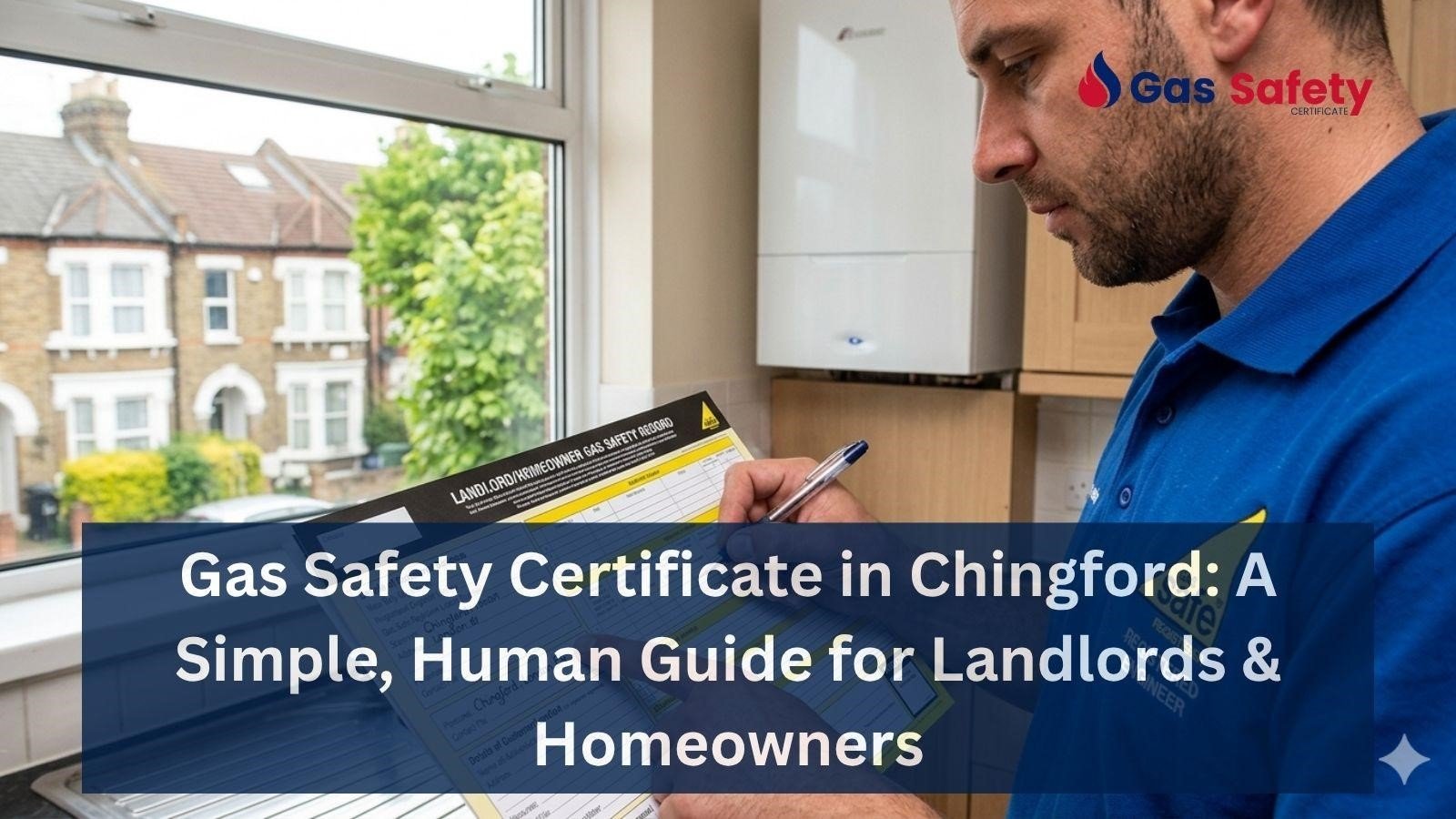
A Gas Safety Certificate, often referred to as a CP12 certificate, is an official document issued by a Gas Safe registered engineer after inspecting a property’s gas appliances, flues, and pipework. It confirms that gas installations meet safety standards under UK law.
For rental properties, this inspection must take place annually. The certificate details:
- Appliance types and locations
- Safety test results
- Any identified defects
- Remedial action taken
- Confirmation of compliance
A valid Gas Safety Certificate in Chingford demonstrates that a landlord has fulfilled their statutory duty to ensure safe gas systems.
The Legal Responsibilities of Landlords in the UK
Under current UK regulations, landlords must:
- Arrange annual gas safety inspections for every rental property.
- Use only Gas Safe-registered engineers.
- Provide tenants with a copy of the certificate within 28 days of the inspection.
- Supply new tenants with a valid certificate before they move in.
- Retain records of inspections for at least two years.
Failure to comply can lead to severe consequences, including fines, prosecution, invalidated insurance policies, and restrictions on serving possession notices.
Why Gas Safety Is Especially Important in Chingford
Chingford features a mix of suburban family housing, 1930s semi-detached properties, converted flats, and newly developed apartment complexes. Each property type presents unique considerations in terms of gas installation and maintenance.
Common Characteristics of Chingford Properties
- Older boilers are nearing the end of their lifespan
- Extensions with modified pipework
- Loft conversions with relocated flue systems
- Compact kitchen spaces with limited ventilation
- Multi-occupancy rental arrangements
These variables mean that obtaining a Gas Safety Certificate in Chingford requires careful inspection tailored to individual property layouts.
Furthermore, with increased awareness around carbon monoxide risks, tenants are more conscious than ever about gas safety compliance.
The Annual Gas Safety Inspection: What to Expect
Understanding the inspection process enables landlords to prepare effectively and avoid unnecessary delays.
Step 1: Booking a Qualified Engineer
Only engineers registered with the Gas Safe Register are legally permitted to conduct inspections and issue certification. Always verify credentials before confirming appointments.
Many landlords rely on professional providers such as gassafetycertificateuk.co.uk for efficient scheduling, compliance tracking, and consistent service standards.
Step 2: Appliance Testing and Safety Checks
During the inspection, the engineer will conduct comprehensive tests, including:
- Checking boiler pressure and combustion efficiency
- Testing gas tightness to detect leaks
- Inspecting gas cookers, hobs, and fires
- Examining flue integrity and ventilation pathways
- Ensuring adequate air supply
- Confirming safety device functionality
Specialist equipment is used to measure carbon monoxide levels and assess safe combustion ratios.
Step 3: Issuance of Certificate or Remedial Action
If all systems pass, the Gas Safety Certificate in Chingford is issued promptly.
If faults are detected:
- Minor issues may be repaired immediately.
- Serious faults may require appliance isolation.
- Certification is issued only once the property meets safety standards
Prompt action ensures minimal disruption to tenants and avoids compliance breaches.
Frequent Gas Safety Issues Identified in Chingford Rentals
In practice, several recurring issues tend to appear during inspections in the area.
Ageing Boilers and Inefficient Systems
Older systems often show wear that affects performance and safety.
Inadequate Ventilation After Renovations
Energy-efficient upgrades sometimes reduce airflow around gas appliances.
Blocked or Poorly Installed Flues
Flue obstructions can cause dangerous combustion gas build-up.
DIY Modifications
Unqualified alterations to pipework can create serious safety hazards.
Regular servicing between annual inspections significantly reduces the likelihood of major failures.
The Financial Perspective: Cost Versus Risk
The cost of a Gas Safety Certificate in Chingford depends on several factors:
- Number of appliances
- Property size
- Accessibility of systems
- Required remedial work
While some landlords may view the annual inspection as an expense, the financial risks of non-compliance far outweigh the cost.
Potential risks include:
- Significant regulatory fines
- Criminal prosecution
- Civil liability claims
- Invalid landlord insurance
- Property damage from gas incidents
Viewed from a risk management standpoint, certification is a necessary and prudent investment.
Carbon Monoxide Safety and Tenant Protection
Carbon monoxide is an odourless, colourless gas that can be fatal in high concentrations. Proper maintenance of boilers and flues is essential to prevent leaks.
Landlords should also ensure:
- Carbon monoxide alarms are installed in required locations
- Alarms are tested regularly
- Tenants understand warning signs
A valid Gas Safety Certificate in Chingford provides documented confirmation that systems are functioning safely.
Preparing Your Property for Inspection
Proactive preparation improves efficiency and reduces delays.
Landlord Preparation Checklist
- Clear access to boilers and gas meters
- Remove obstructions from flue exits
- Notify tenants well in advance
- Test carbon monoxide alarms
- Have previous certificates available
Effective preparation demonstrates professionalism and helps maintain positive tenant relationships.
Managing Gas Safety Across Multiple Properties
Many landlords in Chingford manage more than one rental property. In these cases, structured compliance management is critical.
Best practices include:
- Creating a renewal calendar
- Storing digital records securely
- Scheduling inspections early
- Coordinating servicing with annual checks
Working with established providers such as gassafetycertificateuk can simplify multi-property management through coordinated scheduling and documentation support.
Gas Safety for Letting Agents and Property Managers
Although letting agents often coordinate inspections, legal responsibility remains with the landlord.
Professional agents should:
- Monitor certificate expiry dates
- Arrange inspections proactively
- Ensure tenants receive documentation
- Maintain complete compliance records
Clear communication between landlords and agents prevents oversight and regulatory risk.
The Broader Benefits of Compliance
Beyond legal requirements, there are several strategic advantages to maintaining a valid Gas Safety Certificate in Chingford.
Enhanced Tenant Trust
Tenants are more likely to renew leases when they feel safe and secure.
Improved Property Value
Well-maintained systems contribute to higher market appeal.
Energy Efficiency Gains
Routine checks often improve boiler efficiency, reducing energy consumption.
Reduced Emergency Repairs
Preventative maintenance minimises costly call-outs.
The Impact of Local Housing Trends
Chingford’s property market has evolved in recent years, with increased rental demand and property refurbishment projects. As properties are modernised, gas systems are frequently upgraded or reconfigured.
Whenever significant work is undertaken, landlords should ensure:
- New installations are certified
- Pipework adjustments are professionally completed
- Appliances are installed by qualified engineers
Maintaining compliance throughout renovation projects protects long-term property value.
Record Keeping and Legal Protection
Accurate record management is essential.
Landlords should:
- Keep certificates for at least two years
- Maintain digital backups
- Document repair invoices
- Record tenant communications
In the event of disputes or inspections by authorities, clear documentation provides essential legal protection.
Common Mistakes to Avoid
Even experienced landlords occasionally overlook key compliance details.
Allowing Certificates to Expire
Inspections should be scheduled in advance to avoid gaps.
Ignoring Advisory Notices
Minor warnings can escalate into serious faults if not addressed.
Relying on Unqualified Engineers
Always verify Gas Safe registration.
Failing to Provide Tenants with Copies
Documentation must be shared within required timeframes.
Avoiding these errors ensures continuous compliance.
Homeowners and Voluntary Safety Checks
Although not legally required for owner-occupied homes, annual gas safety checks are highly recommended.
Benefits include:
- Increased household safety
- Early fault detection
- Improved appliance lifespan
- Enhanced efficiency
Homeowners in Chingford benefit from preventative maintenance just as landlords do.
Long-Term Safety Planning
Gas safety should be integrated into a broader property maintenance strategy.
Consider:
- Replacing ageing boilers before failure
- Installing energy-efficient systems
- Conducting periodic servicing
- Monitoring system performance
A structured approach reduces long-term costs and compliance risks.
Building Safe and Compliant Rental Properties in Chingford
Securing a Gas Safety Certificate in Chingford is a vital component of responsible property management in the United Kingdom. From protecting tenants against carbon monoxide risks to ensuring compliance with national regulations, annual certification provides both legal security and peace of mind.
With Chingford’s diverse housing landscape and growing rental market, landlords must adopt a proactive, organised approach to gas safety. Regular inspections, professional servicing, accurate documentation, and prompt remedial action form the foundation of effective compliance.
By working with experienced providers such as gassafetycertificateuk.co.uk, landlords can streamline the certification process, maintain consistent safety standards, and safeguard their investments for the long term.
Gas safety is not simply about meeting regulatory obligations—it reflects a commitment to professionalism, tenant wellbeing, and sustainable property management.
Frequently Asked Questions (FAQs)
1. How often must landlords obtain a Gas Safety Certificate in Chingford?
Landlords are legally required to arrange a gas safety inspection every 12 months from the date of the previous certificate.
2. Can tenants refuse access for a gas safety inspection?
Landlords must take reasonable steps to gain access, including written notice and appointment scheduling. Documentation of these attempts is important for legal protection.
3. What happens if a gas appliance is deemed unsafe?
If an appliance fails inspection, it may be disconnected until repairs or replacement are completed. Certification cannot be issued until safety standards are met.
4. Does a Gas Safety Certificate cover central heating systems?
Yes. Boilers, gas fires, cookers, pipework, and associated flues are included in the inspection.
5. Is a Gas Safety Certificate required when selling a property?
It is not legally mandatory for sales, but providing recent inspection documentation can reassure buyers and support smoother transactions