Gas safety is one of those topics many people only think about when something goes wrong. Yet in busy residential areas like East Ham, where family homes, rental flats, and older properties sit side by side, gas safety is part of everyday life. Whether you own a property, rent one out, or simply live in it, understanding how gas safety certification works can protect both people and property.
Going Deeper: How Gas Safety Really Protects People, Not Just Properties
When gas safety is discussed, it is often framed as a legal obligation or an annual task. In reality, gas safety is about protecting human behaviour and habits. People get used to how their home feels. A boiler that takes longer to heat water, a cooker flame that looks slightly orange, or a faint smell that “comes and goes” can easily be ignored.
Gas safety inspections exist because people adapt to danger without realising it. An experienced engineer does not rely on assumptions or habits. They rely on measurements, standards, and physical evidence.
This is why professional inspections remain essential even when everything appears to be working fine.
Carbon Monoxide: The Risk People Misunderstand the Most
Carbon monoxide deserves special attention because it causes more confusion than almost any other household hazard.
Unlike smoke or gas leaks:
- You cannot smell it
- You cannot see it
- You often feel symptoms slowly
Early signs include headaches, dizziness, nausea, tiredness, and confusion. These symptoms are often blamed on stress, flu, or lack of sleep. In shared homes or family properties, symptoms may affect everyone differently, making the cause harder to identify.
During inspections, engineers use calibrated equipment to measure carbon monoxide levels around appliances and flues. Even low readings can indicate developing problems. This is one of the most critical reasons gas safety certificates save lives rather than just meet regulations.
Why Older Appliances Can Be More Dangerous Than Broken Ones
A common misconception is that danger only exists when something is obviously broken. In reality, older appliances that still “work” can be more dangerous than faulty ones.
Older boilers and heaters may:
- Lack modern safety cut-off systems
- Produce higher emissions
- Operate less efficiently
- Fail without warning
A visibly broken appliance often gets attention quickly. An aging appliance that quietly deteriorates may not. Gas safety inspections focus heavily on these subtle warning signs, especially in properties where appliances have been used for many years without servicing.
The Hidden Role of Ventilation in Gas Safety
Ventilation is one of the most misunderstood parts of gas safety. Many homeowners unknowingly compromise safety when trying to improve comfort or appearance.
Common ventilation mistakes include
- Blocking air vents to reduce drafts
- Sealing cupboards around boilers
- Installing extractor fans incorrectly
- Renovating rooms without considering airflow
Gas appliances require oxygen to burn fuel safely. Without proper ventilation, combustion becomes incomplete, increasing carbon monoxide production. During inspections, engineers assess not only the appliance but the surrounding environment.
In many cases, improving ventilation—not replacing equipment—is what resolves safety concerns.
What Engineers Look for That Occupants Usually Miss
Professional gas safety engineers are trained to spot details that most people never notice. These include
- Flame colour and stability
- Soot or scorch marks near appliances
- Corrosion on pipe joints
- Unusual sounds during ignition
- Signs of previous unsafe modifications
For example, a yellow or flickering flame may indicate incomplete combustion. While it might still cook food or heat water, it signals a safety issue that needs attention.
These observations are why professional certification cannot be replaced by visual checks or assumptions.
How Gas Safety Supports Long-Term Property Value
Gas safety is not only about immediate safety—it also protects property value over time.
Properties with:
- Documented safety history
- Well-maintained appliances
- Clear compliance records
are easier to rent, sell, or insure. Buyers and tenants increasingly expect transparency around safety. A clear history of inspections demonstrates responsible ownership and reduces the likelihood of disputes.
From a financial perspective, routine inspections often extend the lifespan of appliances by identifying issues early.
Insurance, Liability, and Gas Safety
Another overlooked aspect of gas safety is insurance. Many insurance providers require evidence that appliances have been maintained and checked according to regulations.
If a gas-related incident occurs and documentation is missing or outdated:
- Claims may be delayed or denied
- Liability may increase
- Legal costs can escalate
Gas safety certificates act as proof that reasonable care was taken to prevent harm. This protection extends beyond tenants to landlords, homeowners, and managing agents.
Managing Gas Safety in Multi-Occupancy Properties
In properties with multiple occupants—such as shared houses or converted flats—gas safety becomes more complex.
Additional risks include:
- Increased appliance usage
- Shared responsibility confusion
- Restricted access to appliances
- Unreported changes by occupants
Regular inspections ensure that shared systems remain safe for everyone. Engineers also verify that safety instructions are clearly communicated and that appliances are accessible for future checks.
Understanding Gas Safety Without the Jargon
At its core, gas safety is about making sure gas appliances work as they should—without leaking gas, producing dangerous fumes, or creating fire risks. A gas safety certificate is the official record that confirms these checks have been carried out by a qualified engineer.
Instead of thinking of it as a legal form, think of it as a safety report. It answers simple but critical questions:
- Is the boiler burning gas safely?
- Are gas pipes sealed properly?
- Can fumes escape through the flue?
- Is there enough ventilation?
If the answer to all of these is “yes,” the certificate is issued.
Why Gas Safety Matters in Everyday Life
Gas is reliable and efficient, but when something goes wrong, the consequences can be severe. Carbon monoxide poisoning, gas explosions, and fires are often linked to poorly maintained appliances.
In a typical East Ham household, gas may power the boiler, cooker, and sometimes heaters. A small fault—like a loose connection behind a cooker—might go unnoticed for months. During that time, gas could leak slowly into the property. Regular inspections are designed to catch these problems early, long before they become emergencies.
This is why a Gas Safety Certificate in East Ham plays such an important role in preventing accidents rather than reacting to them.
Who is Responsible for Gas Safety?
Responsibility depends on how the property is used.
Landlords
Landlords are legally required to arrange gas safety checks every 12 months for rental properties. This applies to:
- Private landlords
- Letting agents acting on behalf of owners
- Housing associations
They must also provide tenants with a copy of the certificate and keep records for compliance purposes.
Homeowners
Homeowners are not legally required to hold a certificate, but that does not mean gas safety can be ignored. Annual inspections are strongly recommended, especially in older homes or properties with heavy gas use.
Many property owners turn to professional providers such as gassafetycertificateuk.co.uk to manage inspections and documentation correctly.
What Happens During a Gas Safety Check?
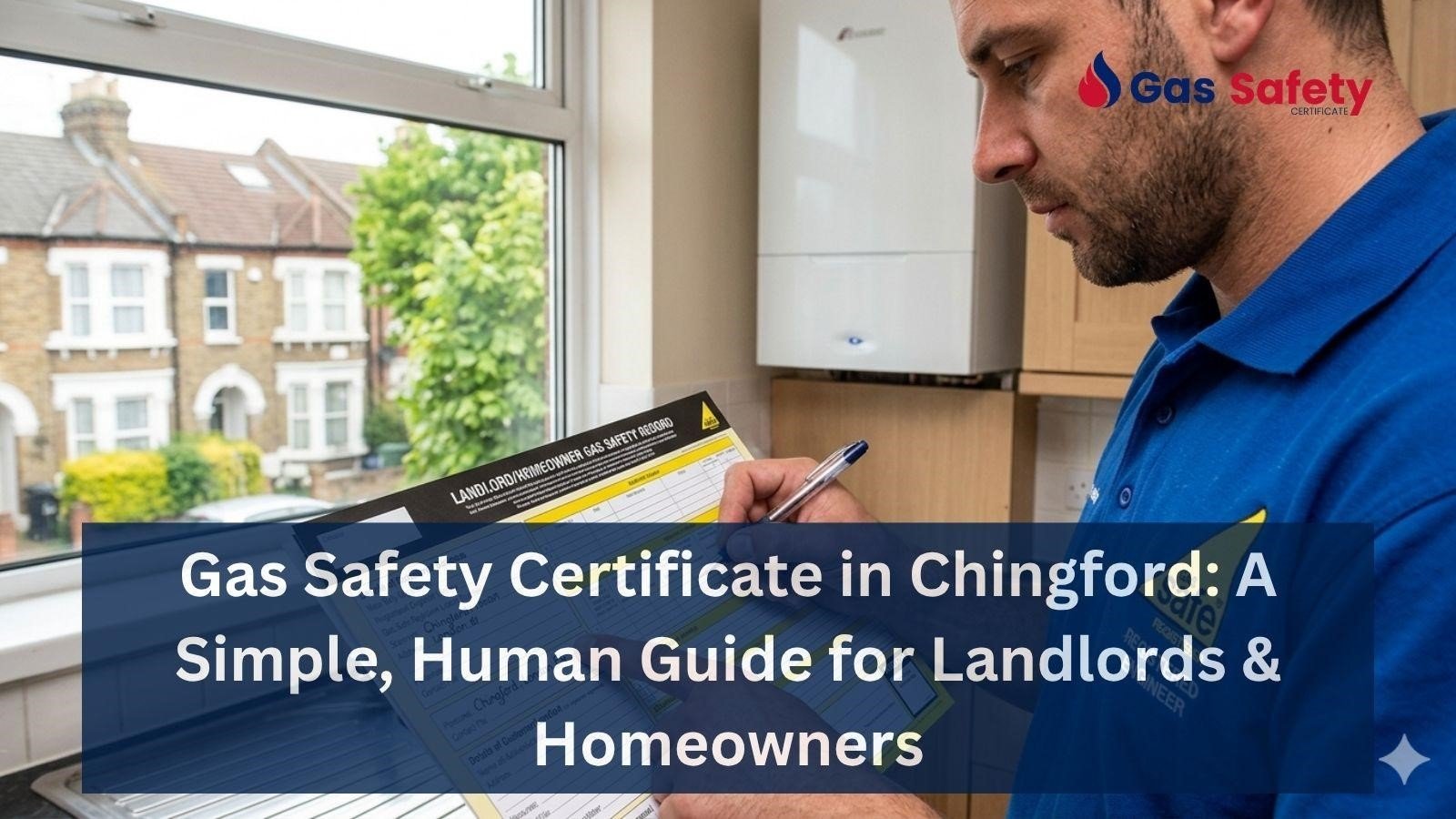
A gas safety inspection is systematic and thorough, but not disruptive. The engineer follows a set process designed to uncover both obvious and hidden risks.
Typical Inspection Steps
- Visual inspection of gas appliances
- Testing gas pressure and flow
- Checking pipework for leaks or corrosion
- Inspecting flues and ventilation
- Confirming safety devices are working
For example, a boiler may appear to heat water normally, but if the flue is partially blocked, harmful fumes could be entering the property. The inspection identifies this risk and ensures it is corrected before certification is issued.
Why East Ham Properties Need Extra Attention
East Ham has a diverse housing mix, including older terraced homes, converted flats, and newer developments. Older properties may still have aging pipework or appliances installed under outdated standards.
Renovations can also introduce new risks. A kitchen remodel might accidentally reduce ventilation space, or a new cupboard might obstruct access to a boiler flue. These changes often go unnoticed until a formal inspection takes place.
This is another reason a Gas Safety Certificate in East Ham is especially valuable—it accounts for how the property is actually used today, not how it was designed decades ago.
The Real Benefits of Staying Compliant
Gas safety certification offers more than legal compliance. It delivers practical, everyday benefits.
Pros
- Protects occupants from gas-related hazards
- Helps landlords avoid fines and legal action
- Builds trust with tenants
- Improves appliance efficiency
- Identifies small faults before they become expensive repairs
From a financial perspective, preventative maintenance is almost always cheaper than emergency callouts or full appliance replacements.
Are There Any Downsides?
While gas safety checks are essential, it’s fair to acknowledge the potential drawbacks.
Cons
- Annual inspection costs
- Time needed to schedule access
- Possible repair expenses if faults are found
However, these are predictable and manageable costs. Compared to the risk of serious injury, property damage, or legal penalties, the disadvantages are minimal.
Common Gas Safety Mistakes People Make
Even well-intentioned property owners can make errors. Understanding these common mistakes helps you avoid them.
1. Missing Renewal Dates
Gas safety certificates expire after 12 months. Forgetting to renew—even by a few days—can result in non-compliance.
2. Using the Wrong Engineer
Only qualified, registered professionals can legally carry out checks and issue certificates.
3. Ignoring Advisory Notes
Some certificates include recommendations rather than immediate failures. Ignoring these can lead to future hazards.
4. Poor Record Keeping
Landlords must keep copies of certificates. Losing records can cause issues during inspections or disputes.
5. Assuming “No Complaints” Means “No Problems”
Tenants may not notice subtle warning signs like poor combustion or minor leaks. Silence does not equal safety.
A Practical Example from East Ham
Imagine a rented family home where the boiler has been working “well enough” for years. The landlord arranges a routine inspection for a Gas Safety Certificate in East Ham and discovers the boiler’s burner is not burning gas cleanly. Carbon monoxide levels are just below dangerous thresholds—but rising.
The engineer adjusts the system and recommends a future service. Without that inspection, the risk would have increased quietly over time. This scenario highlights how gas safety checks prevent problems before they become serious.
How Often Should Gas Safety Checks Be Done?
For rental properties, checks must be completed every 12 months. Many landlords choose to book inspections 10 or 11 months after the previous one to avoid accidental lapses.
For homeowners, annual checks are best practice. This is especially important before winter, when boilers are used more heavily and faults are more likely to show.
Gas Safety vs Boiler Servicing: Knowing the Difference
A common point of confusion is the difference between a gas safety check and a boiler service.
- Gas safety check: Focuses on safety, compliance, and risk prevention
- Boiler service: Focuses on performance, efficiency, and longevity
Both are valuable, but they serve different purposes. One does not replace the other.
Documentation and Peace of Mind
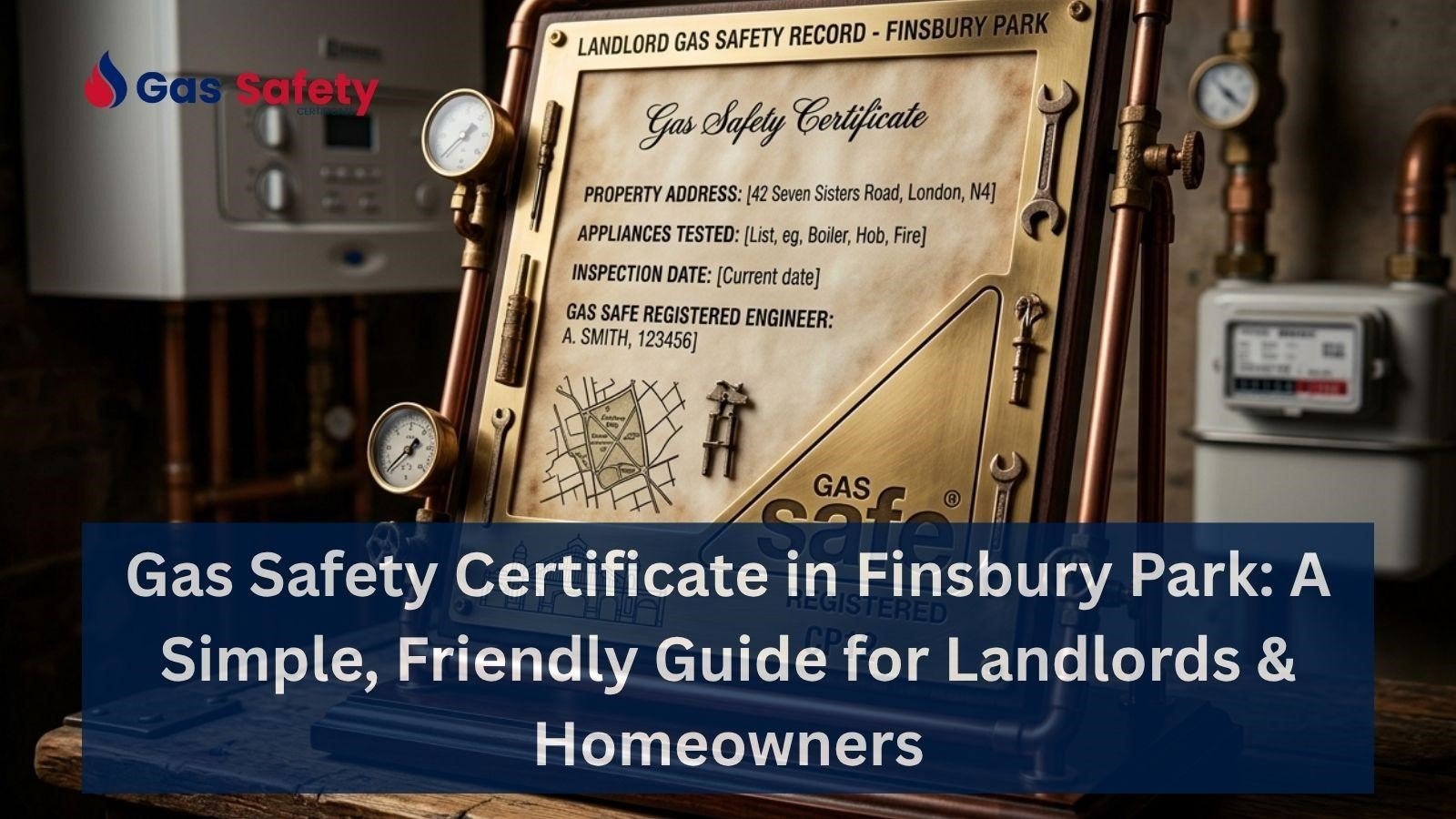
A gas safety certificate includes detailed information such as:
- Appliance details
- Inspection results
- Identified issues
- Engineer credentials
For landlords, this documentation protects against disputes. For homeowners, it provides reassurance that their living space is safe.
This is why a Gas Safety Certificate in East Ham is often seen as both a legal safeguard and a personal safety measure.
Safety That Goes Beyond Compliance
Gas safety is not about ticking boxes—it’s about protecting lives. In a community as active and diverse as East Ham, gas appliances are used daily by families, tenants, and individuals who trust that their homes are safe.
A Gas Safety Certificate in East Ham represents responsibility, foresight, and care. Whether you are meeting legal duties as a landlord or safeguarding your own household, regular inspections are one of the simplest and most effective ways to prevent harm.
Choosing experienced professionals and staying organised with inspections ensures gas safety remains a routine part of property care—not a last-minute emergency.
Frequently Asked Questions
1. How long does a gas safety inspection usually take?
Most inspections take between 30 and 60 minutes, depending on the number of appliances in the property.
2. Can a property fail a gas safety check?
Yes. If appliances are unsafe, the engineer will explain the issue and may disconnect them until repairs are completed.
3. Is a digital copy of the certificate acceptable?
Yes. Digital certificates are valid as long as they contain all required details and are accessible when needed.
4. Do tenants need to be present during the inspection?
Tenants don’t have to be present, but access to appliances must be provided.
5. What happens if a landlord doesn’t have a valid certificate?
Landlords may face fines, legal action, and insurance complications if they fail to comply with gas safety regulations.