Gas safety remains one of the most important responsibilities for property owners across the United Kingdom, and in 2026, this responsibility is more clearly defined, closely monitored, and widely understood than ever before. With a growing emphasis on tenant protection, building safety standards, and professional accountability, gas safety is no longer viewed as a procedural task but as a core duty of care.
Bethnal Green is an area defined by architectural diversity. From Victorian terraces and converted flats to modern apartment blocks, properties vary widely in age, layout, and gas infrastructure. This variety makes consistent and professional gas safety management essential for landlords and homeowners alike.
A Gas Safety Certificate in Bethnal Green is not simply a regulatory requirement. It is formal confirmation that gas appliances and systems have been professionally assessed, risks identified, and safety standards met. This article explains how gas safety certification works, what it includes, and why it continues to be a critical aspect of responsible property ownership in 2026.
Gas Safety as a Legal, Ethical, and Human Responsibility
By 2026, gas safety in the United Kingdom will have firmly moved beyond the idea of routine compliance. It is now recognised as a core duty of care, directly linked to tenant wellbeing, building safety legislation, and professional accountability.
In an area such as Bethnal Green, where older housing stock, high tenant turnover, and frequent property modifications are common, gas safety carries added significance. Many properties combine modern appliances with legacy infrastructure, creating conditions where risks can exist quietly and undetected without regular professional assessment.
A Gas Safety Certificate in Bethnal Green is no longer viewed simply as a document for landlords. It represents an active confirmation that a property is safe to occupy, responsibly managed, and compliant with national safety expectations in 2026.
What a Gas Safety Certificate Actually Confirms (Beyond the Basics)
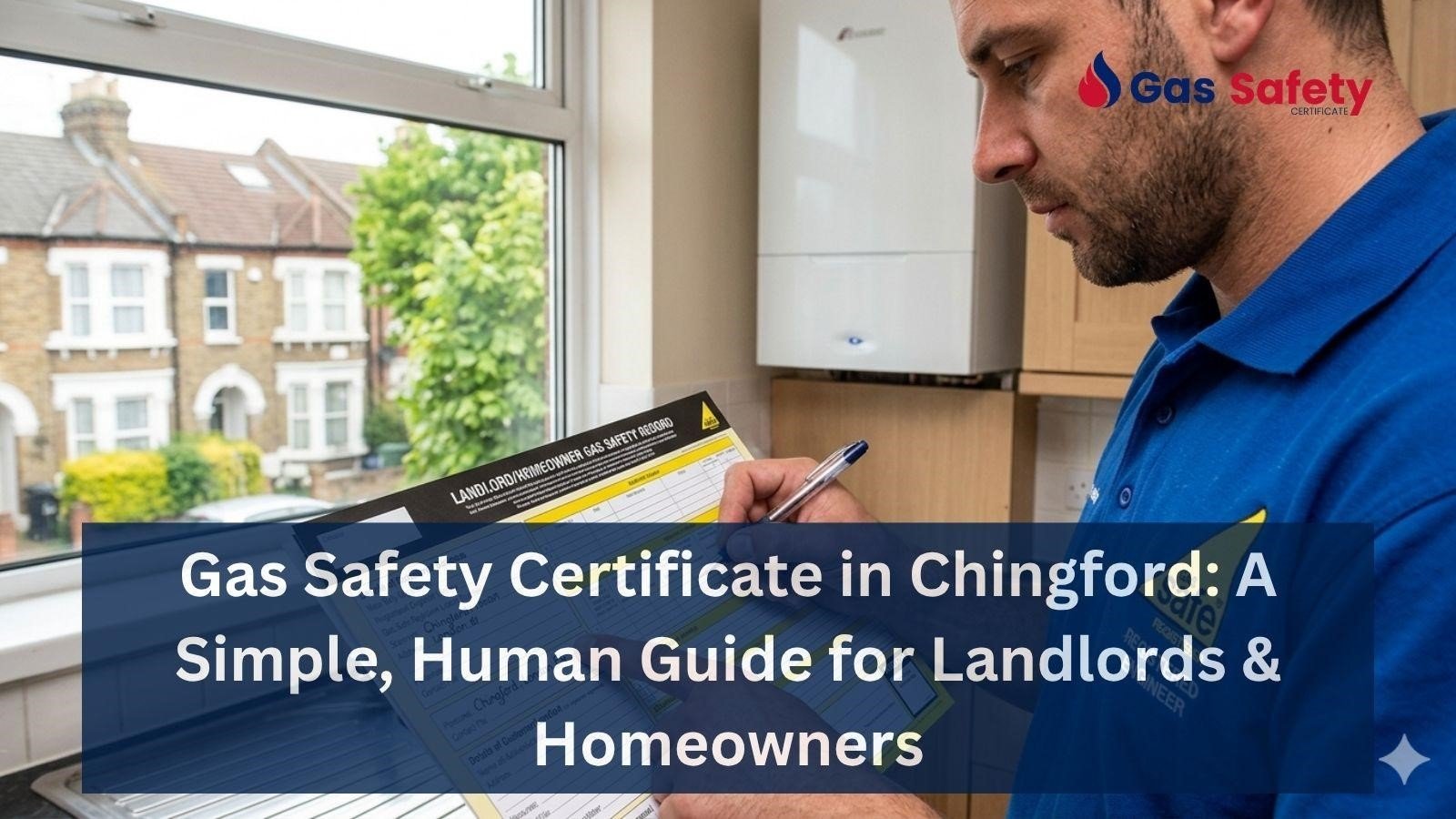
A gas safety certificate, formally referred to as a Landlord Gas Safety Record, documents the outcome of a structured safety inspection performed by a Gas Safe registered engineer.
What the certificate confirms is not theoretical safety, but actual, observed safety at the time of inspection.
The certificate provides verified confirmation of:
- The presence and condition of each gas appliance within the property
- Whether appliances are operating safely under normal usage conditions
- Adequacy of ventilation and air supply
- Proper removal of combustion gases through flues or chimneys
- Integrity of visible gas pipework and connections
- Compliance with current safety standards and tolerances
Importantly, it also records any risks, even if those risks are not immediately dangerous.
For landlords, this certificate is a legal safeguard.
For homeowners, it is evidence of responsible, preventative maintenance.
How the Gas Safety Inspection Process Works in Practice
Pre-Inspection Planning and Access
Professional gas safety providers, including gassafetycertificateuk.co.uk, follow structured inspection workflows designed to ensure consistency, accuracy, and legal compliance.
Before the inspection, property owners or managers should:
- Confirm access to all gas appliances, including concealed boilers
- Inform tenants clearly and in advance
- Ensure appliances are not boxed in or obstructed
- Gather previous safety records if available
Preparation reduces delays and ensures no part of the system is overlooked.
On-Site Technical Assessment
During the inspection, engineers follow nationally recognised testing procedures. These checks are deliberate and methodical rather than rushed.
They include:
- Visual condition checks to identify corrosion, damage, or unsafe modifications
- Gas tightness testing to detect leaks within the system
- Operating pressure measurements to ensure appliances burn gas correctly
- Ventilation assessment, particularly important in converted or subdivided homes
- Flue flow testing to confirm combustion gases exit safely
- Live operational testing under typical household conditions
Each appliance is treated independently, even when systems appear interconnected.
Certification, Classification, and Clear Reporting
Once checks are complete, results are recorded using nationally standardised safety classifications:
Not to Current Standards (NCS)
These installations may still function safely but do not meet modern best practice. While not legally unsafe, improvements are often recommended.
At Risk (AR)
This indicates a developing safety concern that could become dangerous if ignored. Action is advised promptly, though immediate disconnection may not be required.
Immediately Dangerous (ID)
A serious risk to occupants. Engineers are legally required to take steps to make the situation safe, which may include shutting down the appliance.
A clear explanation is essential. Ethical engineers communicate risks calmly, factually, and without pressure.
Why Gas Safety Has Added Importance in Bethnal Green
Bethnal Green properties frequently feature:
- Older flue routes altered by renovations
- Appliances relocated during kitchen refurbishments
- Shared chimneys in converted buildings
- High occupancy levels are increasing appliance usage
These factors increase wear, reduce tolerance for error, and elevate the importance of routine inspection.
A Gas Safety Certificate in Bethnal Green confirms that modern safety expectations are being met even within older or heavily adapted structures.
What a Gas Safety Certificate Actually Confirms
A gas safety certificate, formally known as a Landlord Gas Safety Record, documents the results of a professional inspection carried out by a Gas Safe registered engineer. The inspection confirms whether gas appliances, flues, and pipework within a property are safe to use at the time of assessment.
The certificate records:
- The location and type of each gas appliance inspected
- Safety checks are performed on each appliance
- Any defects or safety concerns identified
- Actions taken or recommended
- The engineer’s registration and inspection date
For landlords, holding a valid certificate is a legal obligation. For homeowners, it represents the best practice and a proactive approach to household safety.
How the Gas Safety Inspection Process Works
Booking and Preparation
The inspection process begins with booking a qualified engineer. Reputable providers such as gassafetycertificateuk.co.uk follow structured processes aligned with UK regulations and professional standards.
Before the appointment, property owners should:
- Ensure access to all gas appliances
- Notify tenants in advance where applicable
- Make previous records available if possible
Preparation helps ensure the inspection is efficient and thorough.
On-Site Safety Checks
During the visit, the engineer conducts a series of technical assessments, including:
- Visual inspection of appliances and pipework
- Testing gas pressure and tightness
- Checking ventilation and air supply
- Examining flues for safe exhaust of gases
- Assessing appliance operation under normal use
Each step is designed to identify both immediate hazards and emerging risks.
Certification and Reporting
If all systems meet safety requirements, the engineer issues the certificate. Where issues are found, they are clearly recorded, with explanations and next steps outlined in plain language.
Why Gas Safety Is Especially Important in Bethnal Green
Bethnal Green properties often include older buildings with updated or modified gas systems. These combinations can introduce risks if systems are not regularly assessed.
A Gas Safety Certificate in Bethnal Green provides reassurance that installations remain compatible with modern safety standards, even when property structures date back many decades.
Regular inspections help:
- Reduce the risk of carbon monoxide exposure
- Identify wear and deterioration early
- Support safe tenant occupancy
- Demonstrate responsible property management
Legal Responsibilities for Landlords in the United Kingdom
UK law requires landlords to protect tenants from gas-related risks. In 2026, these obligations remain clear and enforceable.
Landlords must:
- Arrange gas safety checks every 12 months
- Use only Gas Safe-registered engineers
- Provide tenants with a copy of the certificate
- Keep records for at least two years
Failure to comply may result in penalties, enforcement action, or complications with insurance and tenancy agreements.
Understanding Safety Classifications During Inspections
When an engineer identifies an issue, it is categorised using nationally recognised safety classifications.
Not to Current Standards (NCS)
These issues do not present immediate danger but indicate that an installation no longer reflects current best practice. Improvements may be advised but are not always mandatory.
At Risk (AR)
An AR classification means the appliance could become dangerous if left unaddressed. Engineers explain the concern clearly and recommend corrective action.
Immediately Dangerous (ID)
This classification indicates a serious and immediate risk. Engineers are required to take steps to make the situation safe, which may include disconnecting the appliance.
Understanding these categories helps property owners respond responsibly and without unnecessary alarm.
Appliances and Systems Covered by Gas Safety Checks
A comprehensive inspection includes all gas-powered equipment within the property, such as
- Boilers and central heating systems
- Gas cookers and hobs
- Gas fires and wall heaters
- Associated flues, chimneys, and ventilation routes
Each appliance is assessed individually, ensuring detailed and accurate reporting.
How Often Gas Safety Checks Should Be Carried Out
For rental properties, inspections must be completed every 12 months. Regulations allow checks to be carried out up to two months before expiry without shortening the certificate’s validity.
Homeowners are strongly advised to arrange annual inspections, particularly in properties with older appliances or higher usage levels.
Consistency is key. Regular inspections reduce the likelihood of unexpected failures and help maintain safe living conditions.
The Value of Professional Engineers and Trusted Providers
Only Gas Safe-registered engineers are legally permitted to carry out gas safety inspections in the UK. Registration confirms that the engineer is qualified, insured, and subject to professional oversight.
Providers such as gassafetycertificateuk.co.uk focus on:
- Regulation-aware inspections
- Clear, factual reporting
- Ethical, non-alarmist communication
- Accurate documentation
This approach reinforces gas safety as a professional obligation rather than a sales-driven activity.
Documentation, Records, and Compliance in 2026
Accurate record-keeping is an essential part of gas safety compliance. Certificates should be:
- Stored securely
- Easily accessible for tenants or authorities
- Updated annually
- Retained beyond the minimum requirement where possible
Digital records are increasingly common, improving reliability and audit readiness.
A current Gas Safety Certificate in Bethnal Green supports compliance checks, insurance reviews, and smooth property transactions.
Gas Safety and Insurance Considerations
Many insurance providers expect landlords to meet statutory safety obligations. In the event of a claim involving gas appliances, failure to maintain a valid certification may affect coverage.
Maintaining up-to-date inspection records demonstrates responsible risk management and helps protect property owners financially.
How Gas Safety Supports Long-Term Property Value
Regular gas safety inspections contribute to:
- Improved appliance efficiency
- Reduced emergency repair costs
- Increased tenant confidence
- Stronger property market appeal
A documented history of inspections signals responsible ownership and professional management.
Ethical Standards and Responsible Communication
Gas safety inspections should never rely on fear-based messaging. Ethical providers present findings clearly, explain risks factually, and outline options without pressure.
This professional approach aligns with industry standards and helps property owners make informed decisions.
Preparing for the Future of Gas Safety
While energy systems continue to evolve, gas appliances will remain part of many UK homes in 2026 and beyond. Maintaining safety during this transition is essential.
Regular inspections ensure existing systems operate safely while supporting informed decisions about future upgrades or alternative heating solutions.
Conclusion: A Professional Approach to Gas Safety in 2026
Gas safety is a fundamental responsibility that protects lives, property, and professional integrity. Through consistent inspections, qualified engineering oversight, and accurate documentation, landlords and homeowners can meet their obligations with confidence.
A Gas Safety Certificate in Bethnal Green represents more than compliance. It reflects a commitment to safety, accountability, and responsible property management. By working with experienced providers such as gassafetycertificateuk.co.uk, property owners can ensure gas safety remains a reliable and integrated part of property care in 2026.
Frequently Asked Questions (FAQs)
1. Is a gas safety certificate mandatory for landlords?
Yes. UK landlords are legally required to hold a valid gas safety certificate and renew it annually.
2. Are homeowners legally required to obtain a certificate?
Homeowners are not legally required to obtain one, but annual inspections are strongly recommended for safety.
3. How long does a typical gas safety inspection take?
Most inspections take between 30 and 60 minutes, depending on the number of appliances.
4. What happens if an appliance fails the inspection?
The engineer will classify the issue, explain the risk, and advise on necessary corrective action.
5. Who can legally issue a gas safety certificate?
Only engineers registered on the Gas Safe Register are authorised to carry out inspections and issue certificates in the UK.