As we move through 2026, the role of safety standards in residential and commercial property management continues to grow in importance. One regulatory cornerstone of responsible property ownership is the Gas Safety Certificate in Forest Gate — a compliance document that verifies gas appliances and installations have been inspected and deemed safe by a Gas Safe registered engineer.
The Context: Why Gas Safety Certification Still Matters in 2026
Rising Awareness + Persistent Risks
Gas systems underlie daily life in many homes, providing heating, hot water, and cooking energy. Yet despite modern technology, they carry inherent risks when poorly maintained. According to recent industry reports, about 1 in 5 UK homes would fail a gas safety certification due to unsafe appliances — even with basic inspection standards already in place. This statistic highlights that risk is widespread, not isolated to a few poorly maintained properties.
Legal and Social Imperatives
In England, landlords must arrange an annual gas safety inspection for any gas appliances they provide and keep records of these checks. Once completed, the report (often called a certificate) must be shared with tenants within 28 days or prior to the start of a tenancy. Failure to comply isn’t just bureaucratic — legal penalties include significant fines or even imprisonment.
For tenants, the presence of a valid certificate offers peace of mind. For landlords and property professionals, it’s a minimum standard of care that protects reputation, ensures compliance, and supports safe tenancy agreements
What is a Gas Safety Certificate?
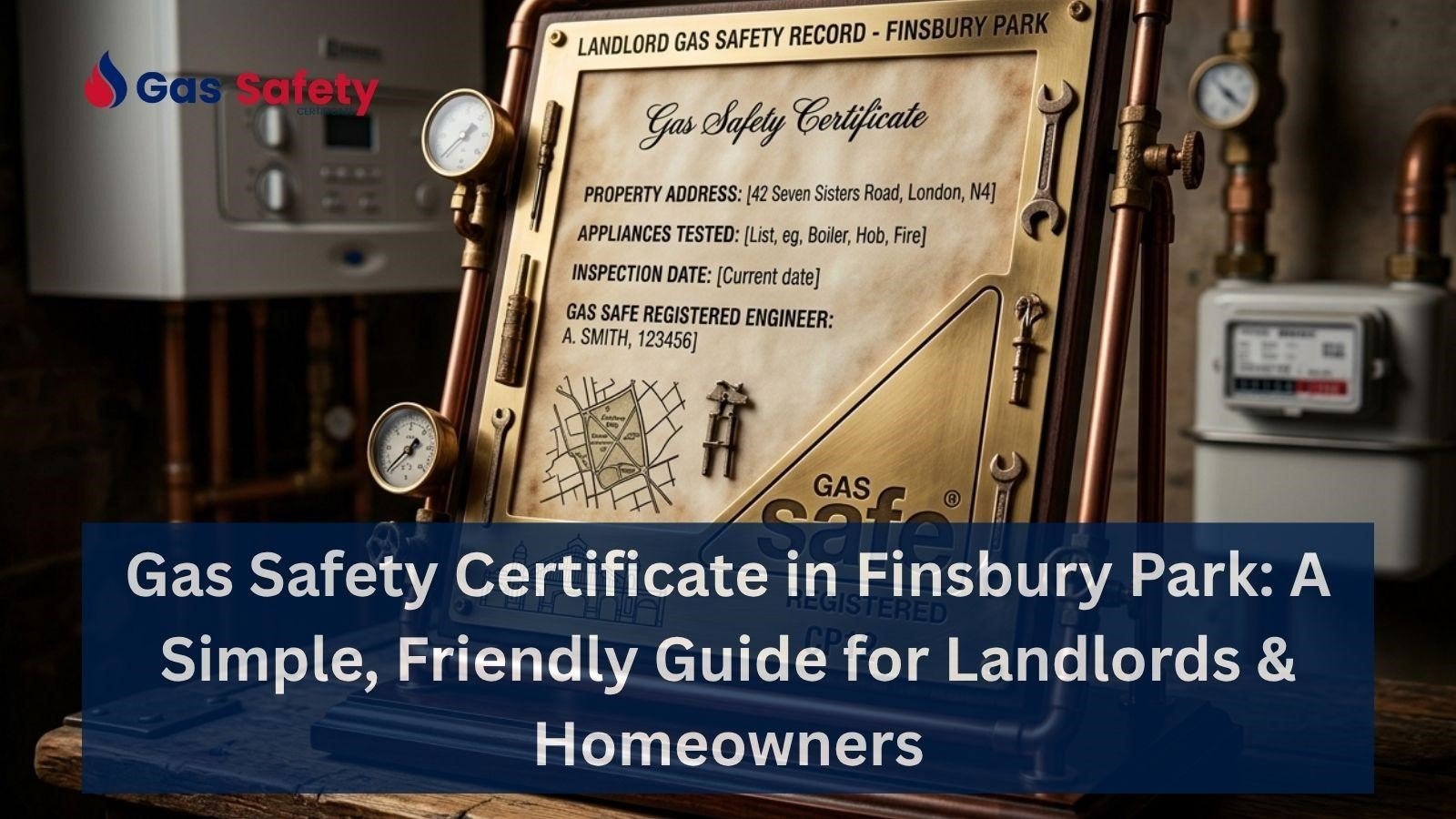
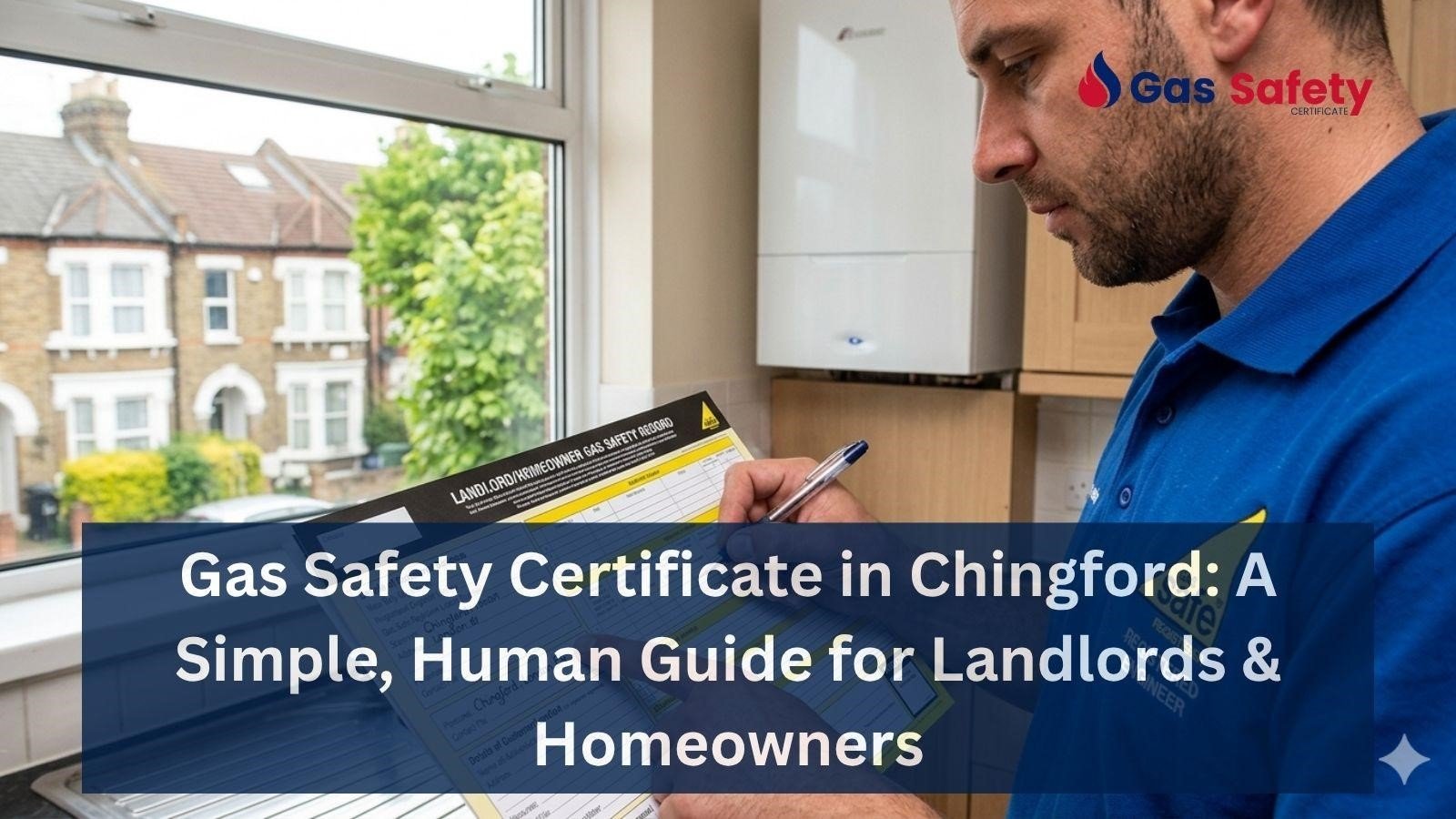
A Gas Safety Certificate in Forest Gate is the formal record that results from a professional inspection of all gas appliances, flues, and relevant pipework in a specific property. Inspections are performed by engineers registered with the official UK gas safety regulators, and the certificate documents that the property meets required safety standards.
Key elements of the certificate include:
- The inspector’s details and registration credentials
- The date the inspection was conducted
- A list of appliances tested
- Any faults identified and remedial actions taken
- Confirmation that safety standards were met
This certificate is valid for 12 months, and landlords must keep copies for at least two further years for audit and legal compliance.
How Gas Safety Certification Works — Step by Step
1. Scheduling the Inspection
Landlords or property owners arrange an annual inspection with a Gas Safe registered engineer. Providers like gassafetycertificateuk.co.uk specialise in managing appointments, ensuring inspectors arrive fully qualified and prepared.
2. Thorough Appliance Testing
On inspection day, the engineer systematically examines each gas appliance, including boilers, hobs, fireplaces, and flues. This is not a casual check — it includes:
- Leak detection
- Pressure and combustion analysis
- Flue flow and ventilation checks
- Visual and functional testing
Any detected hazard is classified and recorded, so corrective action can be taken promptly.
3. Issuing the Certificate
If all elements pass inspection, the certificate (also known as a Landlord Gas Safety Record or LGSR) is issued. If issues are identified, the certificate will note what must be fixed before the property can be certified as compliant.
4. Distribution and Record Keeping
The landlord must provide a copy of the certificate to tenants within 28 days of the inspection. New tenants must receive a valid copy before moving in. Records are kept for monitoring and to demonstrate compliance over time.
Deeper Industry Context: Why 2026 Is a Turning Point for Gas Safety
By 2026, gas safety is no longer viewed as a background compliance task. It has become part of a broader risk-management and tenant-protection framework across the UK housing sector. Increased enforcement activity, improved reporting systems, and higher tenant awareness mean landlords are under more scrutiny than ever before.
In areas like Forest Gate—where older housing stock meets high rental demand—the Gas Safety Certificate in Forest Gate has become a visible marker of professionalism rather than a hidden document kept only for inspections. Letting agents increasingly require up-to-date certification before marketing properties, and insurers now routinely check safety records during claims reviews.
How Local Housing Conditions Shape Gas Safety Outcomes
Ageing Infrastructure in Forest Gate
Forest Gate contains a high proportion of pre-1930 homes. While these properties are structurally sound, their gas systems often reflect decades of incremental upgrades rather than full replacements. Engineers frequently encounter:
- Mixed-generation pipework
- Boilers installed under outdated standard
- Flues rerouted during past renovations
- Reduced ventilation due to modern insulation
Each of these factors increases the importance of thorough annual inspection rather than assumption-based safety.
Rental Density and Turnover
High tenant turnover introduces additional risk. Appliances are used more intensively, ventilation habits vary, and minor issues can go unnoticed without scheduled checks. A consistent Gas Safety Certificate in Forest Gate cycle ensures that safety is verified independently of occupant behaviour.
Expert Insight: What Engineers Look for in 2026 Inspections
Gas Safe engineers in 2026 are trained to look beyond obvious faults. Modern inspections focus on system interaction, not just individual appliances.
Key assessment areas now include:
- How kitchen refurbishments affect airflow
- Whether replacement windows have reduced passive ventilation
- If boiler upgrades were paired with appropriate flue modifications
- Whether tenant-installed fixtures interfere with safety zones
Professionals working with gassafetycertificateuk.co.uk often highlight that many advisory notices are linked to property alterations, not mechanical failure.
Data-Driven Risk Analysis
Industry data shows that properties failing gas safety checks most commonly do so for preventable reasons, such as blocked flues, inadequate ventilation, or inaccessible appliances. In high-density urban areas like Forest Gate, these failures are more likely due to space constraints and frequent refurbishments.
From a risk perspective:
- Early identification reduces repair costs
- Advisory notices prevent emergency call-outs
- Documentation protects landlords during disputes
This positions gas certification as a cost-control tool, not just a legal requirement.
Case Study Expansion: Preventive Compliance in Practice
Scenario: Proactive Landlord Portfolio Management
A Forest Gate landlord managing multiple properties adopted a fixed annual inspection schedule rather than rolling renewals. This allowed engineers to identify repeating design issues across similar properties—specifically ventilation problems caused by sealed kitchens.
By addressing the issue at portfolio level, the landlord reduced follow-up visits, avoided appliance failures, and maintained uninterrupted certification. This case demonstrates how a structured approach to the Gas Safety Certificate in Forest Gate process improves both safety and operational efficiency.
How Certification Supports Long-Term Property Value
Gas safety certification has indirect financial benefits that are often overlooked:
- Supports smoother property sales
- Reduces insurance claim disputes
- Strengthens landlord credibility with councils and agents
- Improves tenant retention
In 2026, buyers and investors increasingly expect documented safety histories. Properties with consistent records are viewed as lower-risk assets.
The Role of Professional Providers in 2026
The complexity of modern compliance means landlords rarely manage certification alone. Professional services such as gassafetycertificateuk.co.uk provide structured scheduling, accurate documentation, and regulatory awareness—reducing the likelihood of missed renewals or invalid records.
This shift reflects an industry trend: outsourcing compliance to specialists rather than handling it reactively.
Strategic Takeaway for Property Owners
The importance of gas safety in 2026 lies not in fear of penalties, but in predictability and control. Annual certification creates a structured checkpoint that keeps systems safe, records clear, and responsibilities transparent.
For Forest Gate landlords and homeowners, maintaining a valid Gas Safety Certificate in Forest Gate is now a core operational standard—embedded in responsible ownership rather than treated as a last-minute obligation.
Real-World Case Studies: Impact of Compliance and Non-Compliance
Case Study 1: Forest Gate Rental Block – Safety First
A mid-sized block of flats in Forest Gate underwent annual gas safety inspections. During one inspection, a decorative wall lining near a boiler was restricting ventilation — a subtle issue that could have led to incomplete combustion and carbon monoxide risk. The engineer identified the hazard, recommended corrective action, and re-verified safety within days.
This intervention didn’t just protect tenants — it also minimized potential legal exposure and enhanced the landlord’s reputation for diligence.
Case Study 2: The Cost of Neglect
In another local scenario, a landlord neglected annual inspection cycles. Tenants reported symptoms consistent with carbon monoxide exposure (headaches, nausea), and subsequent investigation revealed faulty flue operation on an older boiler. The landlord faced enforcement action from local authorities and costly retrofitting to bring the property into compliance. This example illustrates how overlooking early warnings can rapidly escalate into financial and human harm.
Expert Insights: What Industry Leaders Are Saying
A Compliance Officer’s Perspective
A senior compliance engineer notes: “Even experienced landlords sometimes assume that newer boilers are inherently safe. But installation quality, ventilation changes, and tenant alterations can create hidden risks. A Gas Safety Certificate in Forest Gate is not just a regulation — it’s validation that systems are functioning as intended.”
Gas Safety Trainers
Training professionals stress that ongoing education for engineers and landlords is key to keeping up with evolving regulations and standards. With amendments in recent years focused on clearer responsibilities and hazard communication, staying informed ensures both compliance and safety.
Broader Trends Shaping Gas Safety in 2026
Technology Integration
Digital inspection reporting and remote scheduling have streamlined the certification process, reducing the likelihood of lapses. Providers like gassafetycertificateuk.co.uk now integrate workflows that remind landlords in advance of inspection windows, making compliance easier.
Health Awareness
Carbon monoxide remains a silent killer — it’s odorless, colourless, and can be lethal at elevated concentrations. Growing public awareness, combined with mandatory detectors in rental properties, underscores the continuing need for vigilant inspection processes.
Common Myths About Gas Safety Certification
Myth: Newer Appliances Don’t Need Checks
Even brand-new installations require inspection within 12 months of installation. Certification confirms correct installation and safe operation.
Myth: Only Landlords Need to Care
Homeowners may not be legally obligated to obtain a certificate, but regular checks remain best practice to protect families and property value.
Myth: Boiler Servicing Is Equivalent to a Gas Safety Check
A boiler service focuses on performance and maintenance. A Gas Safety Certificate inspection focuses specifically on safety compliance and must be carried out by a Gas Safe registered engineer.
Gas Safety as a Core Responsibility in 2026
In 2026, as in previous years, gas safety certification remains a crucial element of property management in Forest Gate and across the UK. The Gas Safety Certificate in Forest Gate isn’t just a compliance formality — it’s a proactive safeguard that protects occupants, preserves property value, and mitigates legal risk.
Whether you are a landlord, agent, or informed homeowner, understanding the why, how, and how of gas safety certification equips you to make safer, more responsible decisions. Companies like gassafetycertificateuk.co.uk play a central role by connecting property owners with qualified engineers and ensuring clear, compliant documentation.
Frequently Asked Questions
1. Who needs a Gas Safety Certificate in Forest Gate?
Landlords with gas appliances in rental properties are legally required to have an annual certificate. Homeowners aren’t required but are advised to get regular safety checks.
2. How often must gas safety inspections be done?
Inspections must be carried out at least once every 12 months to maintain a valid certificate.
3. What happens if appliances fail the safety inspection?
The engineer notes issues and classifies hazards. Property owners must fix these before the certificate can be considered fully compliant.
4. Is a gas safety inspection the same as a boiler service?
No. A certification inspection focuses specifically on safety and legal compliance, while a service focuses on performance and maintenance.
5. Can tenants request a copy of the certificate?
Yes. Tenants must receive a copy within 28 days of inspection or before moving in if it’s a new tenancy.