

The rental landscape across London is shifting, and Chingford is no exception. As regulatory standards tighten and expectations for tenant safety rise, the Gas Safety Certificate, a document once treated as a routine formality, has become a defining marker of a responsible landlord. By 2026, this certificate is expected to influence not only compliance but also market demand, property desirability, and landlord credibility.
The Growing Pressure on Rental Compliance in Chingford
Chingford, located on the edge of Gas Safety Certificate in Islington, London, has experienced significant growth in its rental population over the last decade. Young professionals, families seeking suburban calm, and new residents relocating to London have all contributed to rising demand. With this demand comes increased oversight, and local authorities are now taking a stricter stance on essential safety regulations.
Among these, the annual Gas Safety Check (CP12 Certificate) has risen to the top of the list. It’s no longer seen as optional diligence but rather as a legal and ethical obligation capable of shaping a property’s future marketability.
Why Compliance Is No Longer Negotiable
Landlords once relied on informal maintenance routines, but this approach has become outdated and risky. New expectations for transparency, stricter enforcement by councils, and heightened tenant awareness have made compliance a defining factor in rental success.
A landlord with a valid Gas Safety Certificate signals:
- Full adherence to UK rental law
- A commitment to tenant wellbeing
- Professional reliability in property management
- Reduced risk of legal or financial penalties
As we approach 2026, these signals will matter more than ever.
The Evolving Legal Landscape and Its Impact on Landlords
UK gas safety legislation hasn’t changed drastically in recent years, but enforcement has. Local councils—including those covering Chingford—are investing more resources into inspections, audits, and penalty enforcement. Tenants, empowered by easy access to online information, are far quicker to report non-compliant properties.
Council Enforcement and Higher Penalty Risks
From 2024 onward, several London boroughs have increased:
- On-site inspections
- Fines for missing certificates
- Penalties for expired certificates
- Requirements for evidence during licence renewals
Chingford landlords operating HMOs (Houses in Multiple Occupation) are under especially scrutiny, with property licences tied directly to proof of annual gas safety inspections.
By 2026, council licensing requirements are expected to tighten further—likely making the Gas Safety Certificate a mandatory precondition for receiving or renewing property licences.
Why Gas Safety Will Define Rental Market Value in Chingford
Gas safety isn’t just a legal necessity—it’s becoming a market expectation. With tenants becoming more selective, properties that cannot present a valid Gas Safety Certificate risk falling to the bottom of the shortlist.
Tenants are Actively Checking Certificates Before Renting
Modern renters are far more informed than those from a decade ago. Before signing any tenancy agreement, many tenants now ask for:
- The EPC (Energy Performance Certificate)
- The How to Rent Guide
- The Gas Safety Certificate
- Maintenance history of essential appliances
Landlords without these documents may find themselves overlooked, especially in a competitive market like London.
Certificates Improve Tenant Trust and Rental Stability
A landlord who prioritises safety fosters a more positive renting environment. Tenants who feel safe are more likely to:
- Stay longer
- Treat the property responsibly
- Build stronger relationships with landlords
- Leave positive reviews or recommendations
In a rental market growing more dependent on reputation, the humble Gas Safety Certificate is proving to be a powerful trust-building tool.
Technology, Digital Record Keeping, and the 2026 Shift
The transition toward digital property management has accelerated. Many Chingford landlords now rely on online portals, automated reminders, and digital compliance tools.
By 2026, this shift is expected to strengthen, making timely gas safety inspections easier and more transparent.
Digital Certificates and Instant Verification
Modern gas engineers and compliance companies—including platforms such as GasSafetyCertificateUK.co.uk now offer digital documentation, cloud storage, and instant certificate retrieval.
This matters because:
- Landlords can supply tenants with proof instantly
- Missed renewal dates become less likely
- Licencing and audit submissions are simplified
- Inspection history is neatly preserved for future reference
Technology is eliminating excuses for non-compliance and strengthening the necessity of reliable annual inspections.
Rising Expectations from Insurance Providers
Many landlords underestimate the insurance implications of missing Gas Safety Certificate in Islington as Safety Certificates. Several UK insurers have updated their terms in recent years, requiring landlords to provide:
- Evidence of annual gas checks
- Proof of maintenance on boilers and gas appliances
Failure to do so can lead to claim rejections in the event of:
- Fires
- Gas-related accidents
- Carbon monoxide incidents
By 2026, even more insurers will likely tighten these requirements, making the Gas Safety Certificate in Islington not only legally necessary but essential for financial protection.
Chingford’s Growing Market Competitiveness and Its Influence
As Chingford continues to attract new residents due to its blend of suburban charm and convenient access to central London, the competition among rental properties increases.
Landlords who stay ahead of compliance expectations—rather than reacting to them—are better placed to attract long-term tenants.
Properties with Strong Safety Records Will Outperform Others
By 2026, properties with proven compliance records may command:
- Higher rental values
- Stronger tenant demand
- Lower void periods
- Better long-term stability
In competitive boroughs, the Gas Safety Certificate in Islington is becoming more than a document—it’s a status symbol for well-maintained, professionally managed homes.
The Ethical Argument: Tenant Safety Must Come First
Beyond regulation and market dynamics, the heart of the matter remains simple: safety.
Gas appliances, if neglected, pose significant risks:
- Carbon monoxide exposure
- Gas leaks
- Fires and explosions
- Long-term respiratory damage
A Gas Safety Certificate in Islington confirms that a certified engineer has inspected the property and verified that these risks are minimised.
Responsible Landlords Set the Standard for 2026 and Beyond
As public awareness of carbon monoxide risks grows, landlords who prioritise safety will shape the future of Chingford’s rental market. Tenants will increasingly prefer homes with a clear track record of:
- Annual gas checks
- Proper appliance maintenance
- Transparent certification
- Consistent compliance
These expectations are already shifting, and by 2026, they will likely become the norm.
Why 2026 Will Be a Defining Year for Gas Safety in Chingford
The significance of the Gas Safety Certificate in Islington is only increasing. With tighter enforcement, digital transparency, rising tenant expectations, and stronger legal implications, landlords in Chingford must treat gas safety as a central part of property management—not a box to tick once a year.
By 2026, this certificate will play a defining role in:
- Rental eligibility
- Market competitiveness
- Tenant satisfaction
- Licensing approvals
- Insurance validity
- Property value
- Landlord reputation
For landlords looking to stay ahead, the solution is straightforward: maintain annual inspections, stay organised, and partner with reputable gas engineers. Trusted services like GasSafetyCertificateUK.co.uk provide reliable, fast, and legally compliant inspections, ensuring landlords remain fully protected.
In the evolving Chingford property market, safety isn’t just mandatory—it’s the new standard that shapes success.
Frequently Asked Questions (FAQs)
1. How often must a landlord renew a Gas Safety Certificate?
The certificate must be renewed every 12 months. Inspections must be carried out by a Gas Safe registered engineer.
2. Is it illegal to rent a property in Chingford without a valid certificate?
Yes. Renting without a valid Gas Safety Certificate is a legal offence and can lead to penalties, including fines and potential imprisonment.
3. What appliances are checked during a gas inspection?
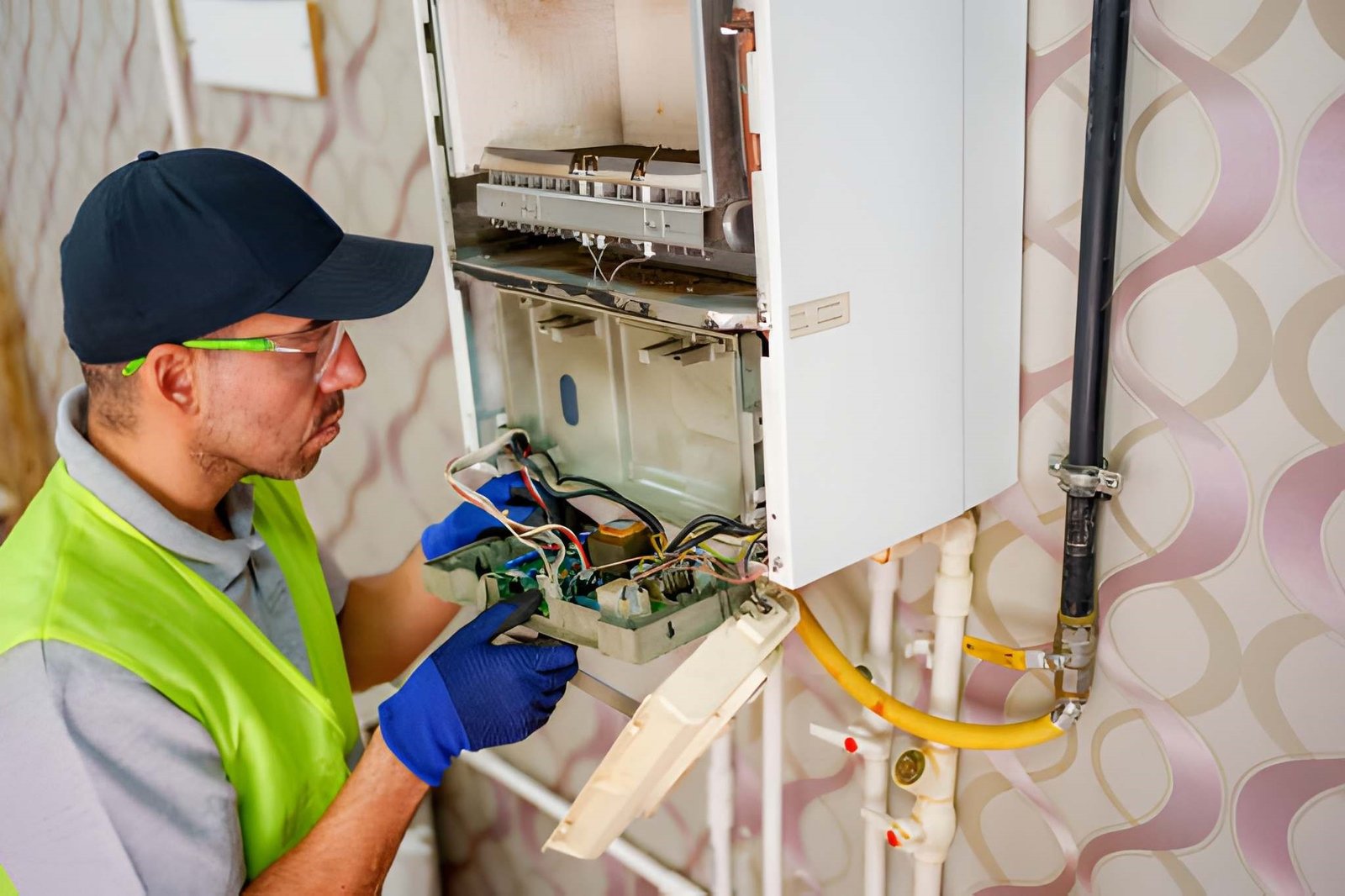
Engineers inspect boilers, gas cookers, gas fires, pipework, flues, and ventilation systems to ensure safety and compliance.
4. Do tenants receive a copy of the certificate?
Absolutely. Landlords are legally required to provide tenants with a copy within 28 days of the inspection.
5. Will gas safety regulations change by 2026?
While exact regulations may evolve, enforcement is becoming stricter, making compliance essential. Expect more digitalisation and tighter verification processes by 2026.
6. What happens if a gas appliance fails the inspection?
The engineer will issue a warning notice, and the landlord must repair or replace the faulty appliance before the certificate can be issued.
7. How can I book a Gas Safety Certificate in Chingford?
Landlords can book inspections quickly through reputable London-based providers such as GasSafetyCertificateUK.co.uk, offering certified engineers and fast appointment scheduling.