
Gas safety remains a fundamental responsibility for property owners across the United Kingdom, and in 2026, this duty carries greater importance than ever. With housing standards tightening, tenant awareness increasing, and regulatory oversight becoming more consistent, ensuring gas appliances are safe and compliant is no longer optional—it is an essential part of responsible property management.
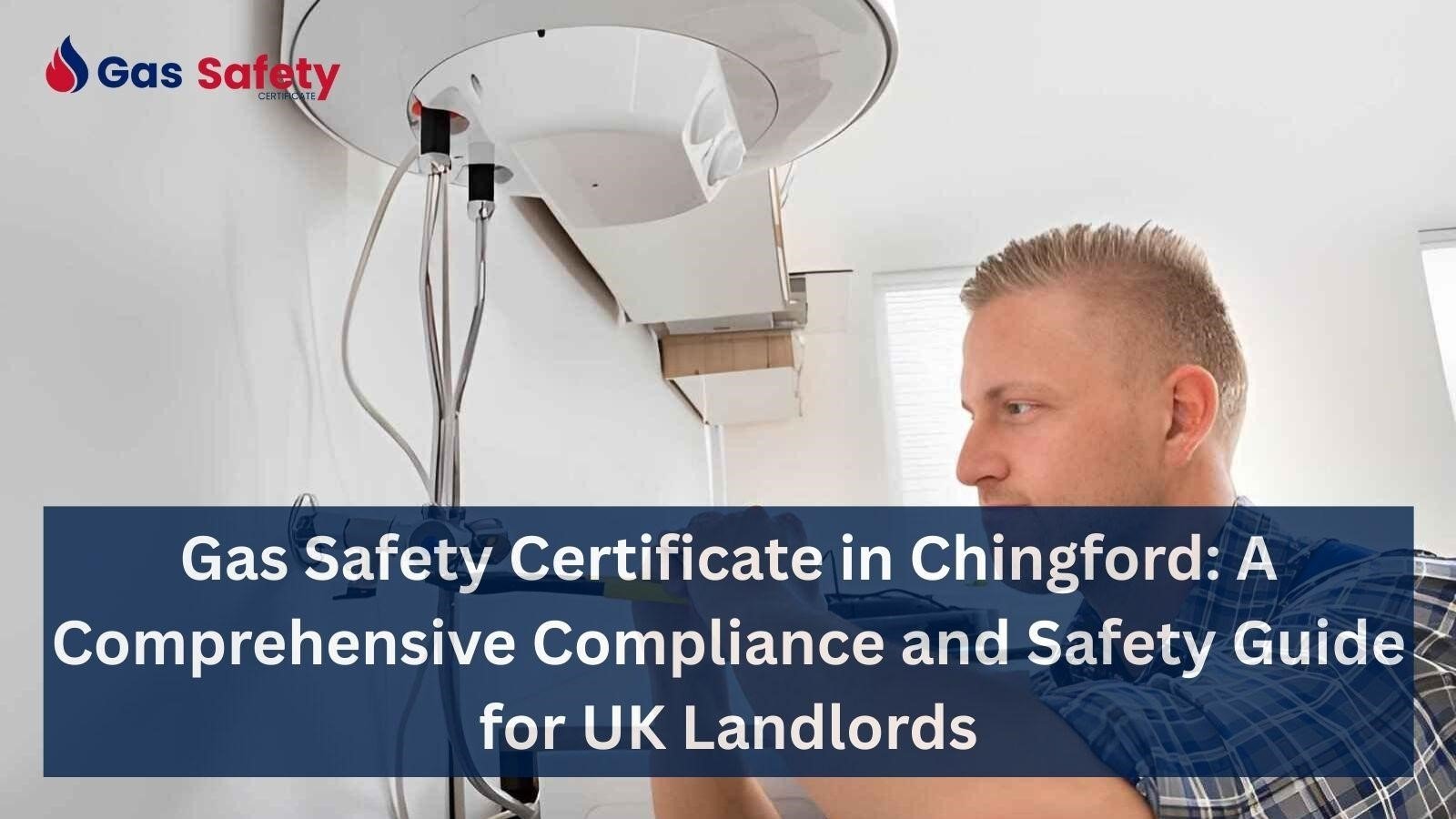
For landlords, homeowners, and letting agents, understanding how gas safety inspections work, what the law requires, and why regular certification protects both people and property is critical. In a residential area such as Chingford, where a mix of period homes, modern developments, and rental properties coexist, maintaining gas safety standards helps protect occupants while preserving long-term property value.
A Gas Safety Certificate in Chingford is not simply a document for compliance; it is evidence of due care, professional oversight, and a proactive approach to safety. This article explains how the process works, what it involves, and why it remains a cornerstone of property responsibility in 2026.
Expanded Technical Detail: What Engineers Assess During a Gas Safety Check
A modern gas safety inspection in 2026 goes beyond a surface-level appliance check. Engineers follow a structured testing methodology aligned with UK safety regulations and manufacturer guidance.
Combustion Analysis and Performance Testing
Engineers assess how gas appliances burn fuel under normal operating conditions. Poor combustion can indicate incomplete burning, which may increase carbon monoxide risk. Measurements are taken to confirm that appliances are operating within safe parameters.
Flue Integrity and Airflow Assessment
Flues are checked for correct installation, secure connections, and unobstructed airflow. Even minor blockages or misalignments can compromise safety. Ventilation routes are also evaluated to ensure sufficient oxygen supply for safe combustion.
Gas Tightness and Pressure Stability
Gas pipework is tested to confirm there are no leaks and that pressure levels remain stable during appliance operation. This step is critical in older properties where pipework may have been installed decades earlier.
Risk Classification and What It Means for Property Owners
When an issue is identified, engineers classify it according to nationally recognised safety categories. Understanding these classifications helps property owners respond appropriately.
Not to Current Standards (NCS)
These issues do not pose immediate danger but indicate that an installation no longer meets current best practice. While not legally unsafe, upgrades may be recommended.
At Risk (AR)
An appliance or installation may become dangerous if left unaddressed. Engineers will explain the risk clearly and recommend corrective action.
Immediately Dangerous (ID)
This classification means there is a direct risk to occupants. Engineers are required to take immediate steps to make the appliance safe, which may include disconnection.
Tenant Access, Communication, and Best Practice
Landlords are expected to take reasonable steps to ensure inspections can be carried out. In 2026, good practice includes:
- Providing written notice well in advance
- Offering flexible appointment times
- Keeping clear records of access attempts
- Communicating outcomes clearly after the inspection
These steps demonstrate diligence and help prevent disputes or misunderstandings.
Documentation Standards and Audit Readiness
Accurate documentation is increasingly important due to improved regulatory oversight. A compliant gas safety record should include:
- Engineer registration details
- Appliance-specific test results
- Clear pass or fail status
- Date of inspection and renewal deadline
Maintaining organised records ensures readiness for audits, tenancy changes, or insurance reviews.
The Impact of Property Type on Gas Safety Requirements
Different property types in Chingford present different considerations:
Period and Older Homes
These properties may have legacy pipework, older boilers, or non-standard ventilation. Inspections often focus on compatibility between older structures and modern safety expectations.
Flats and Apartments
Shared flues or communal systems require careful assessment to ensure one unit does not compromise another.
Family Homes and HMOs
Properties with multiple occupants experience higher appliance usage, increasing the importance of consistent annual inspections.
Gas Safety and Insurance Considerations
Many insurance policies expect landlords to meet statutory safety obligations. Failure to maintain a valid certification may affect coverage in the event of a claim related to gas appliances or heating systems.
Holding a current Gas Safety Certificate in Chingford supports insurance compliance and demonstrates responsible risk management.
The Role of Professional Providers in 2026
Professional service providers such as gassafetycertificateuk.co.uk operate within a framework that prioritises:
- Regulatory accuracy
- Clear, non-alarmist communication
- Ethical inspection practices
- Transparent reporting
This approach aligns with industry expectations and reinforces gas safety as a professional obligation rather than a transactional service.
Understanding What a Gas Safety Certificate Is
A gas safety certificate, officially known as a Landlord Gas Safety Record, confirms that all gas appliances, pipework, and flues within a property have been inspected by a qualified Gas Safe registered engineer. The inspection ensures that appliances are operating correctly, safely, and efficiently, with no immediate risk to occupants.
The certificate records:
- Details of each gas appliance checked
- Safety test results
- Any defects identified and actions taken
- Confirmation of compliance with current safety standards
In the UK, landlords are legally required to hold a valid certificate and renew it every 12 months. Homeowners, while not legally obliged, are strongly encouraged to obtain regular inspections to protect their households and investments.
How the Gas Safety Inspection Process Works
Booking and Preparation
The process begins by arranging an inspection with a qualified Gas Safe registered engineer. Reputable providers such as gassafetycertificateuk.co.uk follow structured procedures aligned with national regulations and industry best practices.
Before the visit, property owners should ensure:
- Gas appliances are accessible
- Boiler manuals are available if possible
- Tenants are informed of the appointment
On-Site Inspection
During the visit, the engineer will:
- Inspect gas appliances such as boilers, cookers, and fires
- Check gas pipework for leaks or corrosion
- Test ventilation and flue systems
- Measure gas pressure and combustion safety
The engineer’s role is not only to identify faults but also to confirm that systems operate safely under normal conditions.
Certification and Record Keeping
Once the inspection is complete, a certificate is issued if all safety requirements are met. Any remedial work required will be clearly documented, ensuring transparency and accountability.
Why Gas Safety Compliance Matters in Chingford
Protecting Lives and Property
Gas-related incidents, while preventable, can have severe consequences if safety checks are ignored. Carbon monoxide leaks, faulty boilers, or poorly ventilated appliances pose serious risks. Regular inspections significantly reduce these dangers and help create safer living environments.
Legal Responsibility for Landlords
UK law places clear obligations on landlords to maintain gas safety standards. Failure to do so can result in penalties, invalidated insurance, or legal disputes. Holding a valid certificate demonstrates compliance and professional property management.
Supporting Tenant Confidence
Tenants increasingly expect evidence of safety compliance. Providing up-to-date documentation reassures occupants that their well-being is prioritised, fostering trust and long-term tenancy relationships.
Key Legal Requirements in the United Kingdom for 2026
In 2026, the core legal framework surrounding gas safety remains grounded in established regulations, with greater emphasis on documentation accuracy and inspection consistency.
Landlords must:
- Arrange annual gas safety checks
- Use only Gas Safe registered engineers
- Provide tenants with a copy of the certificate
- Retain records for a minimum of two years
Failure to meet these requirements may lead to enforcement action, highlighting the importance of professional oversight.
The Role of Qualified Engineers and Trusted Providers
Gas safety inspections must only be carried out by engineers listed on the Gas Safe Register. This ensures technical competence, accountability, and adherence to national safety standards.
Providers such as gassafetycertificateuk.co.uk focus on delivering inspections that are thorough, regulation-aware, and professionally documented. Their role is not sales-driven but centered on safety, clarity, and compliance.
Choosing an experienced provider helps ensure:
- Accurate assessments
- Clear reporting
- Reliable certification
- Ongoing compliance support
How Often Should Gas Safety Checks Be Carried Out?
Annual inspections are mandatory for rental properties, with certificates valid for 12 months. Best practice allows renewal up to two months before expiry without shortening the certification period.
For homeowners, annual checks are recommended, particularly for properties with older appliances or high usage. Regular inspections can also help identify efficiency issues early, reducing long-term maintenance costs.
Common Appliances Covered by Gas Safety Checks
A typical inspection includes:
- Gas boilers and central heating systems
- Gas cookers and hobs
- Gas fires and space heaters
- Associated flues and ventilation systems
Each appliance is assessed individually, ensuring comprehensive coverage and detailed reporting.
Cost Considerations and Value in 2026
While costs vary depending on property size and appliance numbers, gas safety certification remains a cost-effective investment. Compared to the financial and human cost of gas-related incidents, regular inspections offer exceptional value.
Transparent pricing, clear documentation, and professional service delivery are key indicators of a trustworthy provider.
Why Local Knowledge Matters
Properties in Chingford range from traditional family homes to modern flats. Understanding local building styles, appliance types, and common system layouts enables engineers to conduct more efficient and accurate inspections.
A Gas Safety Certificate in Chingford, obtained through a locally experienced provider, reflects both regulatory compliance and a contextual understanding of the area’s housing landscape.
The Importance of Documentation and Record Accuracy
Accurate records are essential for:
- Legal compliance
- Insurance validation
- Property transactions
- Tenant communication
Certificates should be stored securely and made readily available when required. Digital record-keeping has become increasingly common in 2026, improving accessibility and audit readiness.
How Gas Safety Supports Long-Term Property Value
Well-maintained gas systems contribute to:
- Improved energy efficiency
- Reduced breakdown risks
- Enhanced buyer and tenant confidence
A consistent inspection history signals responsible ownership and can positively influence property valuation and marketability.
Professional Standards and Ethical Practice
Gas safety should never be approached as a sales opportunity. Ethical providers focus on accurate assessments, clear communication, and genuine risk prevention.
This approach aligns with industry standards and reinforces gas safety as a duty of care rather than a commercial tactic.
Preparing for the Future of Gas Safety
As the UK gradually transitions toward greener energy solutions, gas systems will continue to play a role in many homes throughout 2026 and beyond. Maintaining safety standards during this transition remains essential.
Regular inspections ensure that existing systems operate safely, supporting informed decisions about future upgrades or replacements.
A Responsible Approach to Gas Safety in 2026
Gas safety remains a critical aspect of property ownership and management in the United Kingdom. Through regular inspections, qualified engineering oversight, and accurate documentation, property owners can meet their legal responsibilities while safeguarding occupants.
A Gas Safety Certificate in Chingford represents more than compliance—it reflects professionalism, accountability, and a commitment to safety. By working with trusted providers such as gassafetycertificateuk.co.uk, landlords and homeowners can approach gas safety with confidence, clarity, and a long-term perspective in 2026.
Final Perspective: Raising the Standard of Gas Safety
Gas safety in 2026 is defined by professionalism, clarity, and accountability. Property owners who understand the technical, legal, and human aspects of gas safety are better positioned to protect occupants and assets alike.
By embedding regular inspections, accurate documentation, and qualified oversight into routine property management, gas safety becomes a standard practice rather than a reactive obligation—ensuring safer homes and stronger compliance across Chingford and the wider UK.
Frequently Asked Questions (FAQs)
1. Is a gas safety certificate legally required for homeowners?
Homeowners are not legally required to obtain a certificate, but annual inspections are strongly recommended to ensure safety and prevent potential hazards.
2. How long does a gas safety inspection usually take?
Most inspections take between 30 and 60 minutes, depending on the number and type of gas appliances in the property.
3. Can tenants request a copy of the gas safety record?
Yes. Landlords must provide tenants with a copy of the current certificate within 28 days of the inspection or before tenancy begins.
4. What happens if an appliance fails the safety check?
The engineer will classify the issue, advise on necessary repairs, and may disconnect the appliance if it poses an immediate risk.
5. Who is qualified to carry out a gas safety inspection?
Only engineers registered on the Gas Safe Register are legally permitted to perform gas safety checks and issue certificates in the UK.