


Highbury’s residential character is defined by heritage architecture, long-standing tenancies, and a steady influx of professional renters. These features make safety management more complex than in newer developments. In 2026, gas compliance is no longer a background obligation—it is a defining measure of how responsibly a property is owned, occupied, and managed. The Gas Safety Certificate in Highbury has become a central pillar of that responsibility, shaping decisions for landlords, homeowners, and property managers alike.
Gas systems are largely invisible, yet the risks associated with them are immediate and severe when neglected. Carbon monoxide exposure, pressure instability, and ventilation failures remain among the most dangerous hazards in residential housing. As regulation tightens and tenant awareness grows, structured gas safety management is now a core expectation rather than a regulatory afterthought.
Understanding the Legal Foundation of Gas Safety
The Regulatory Framework Behind Compliance
Gas safety obligations in the UK are governed primarily by the Gas Safety (Installation and Use) Regulations. These laws place clear responsibilities on landlords and property owners to ensure that gas appliances, pipework, and flues are maintained in a safe condition.
In Highbury, where older properties dominate the housing stock, compliance often requires more than routine checks. Materials age, layouts evolve through renovations, and historical modifications can affect airflow and pressure balance. A valid Gas Safety Certificate in Highbury demonstrates that these risks have been assessed by a qualified professional within the legally required timeframe.
Annual Inspections and Their Purpose
Annual inspections are not arbitrary. They are designed to detect gradual deterioration that would otherwise go unnoticed. Seals degrade, burners lose efficiency, and flue systems can become obstructed over time. These issues rarely present immediate symptoms, which is precisely why formal inspections are critical.
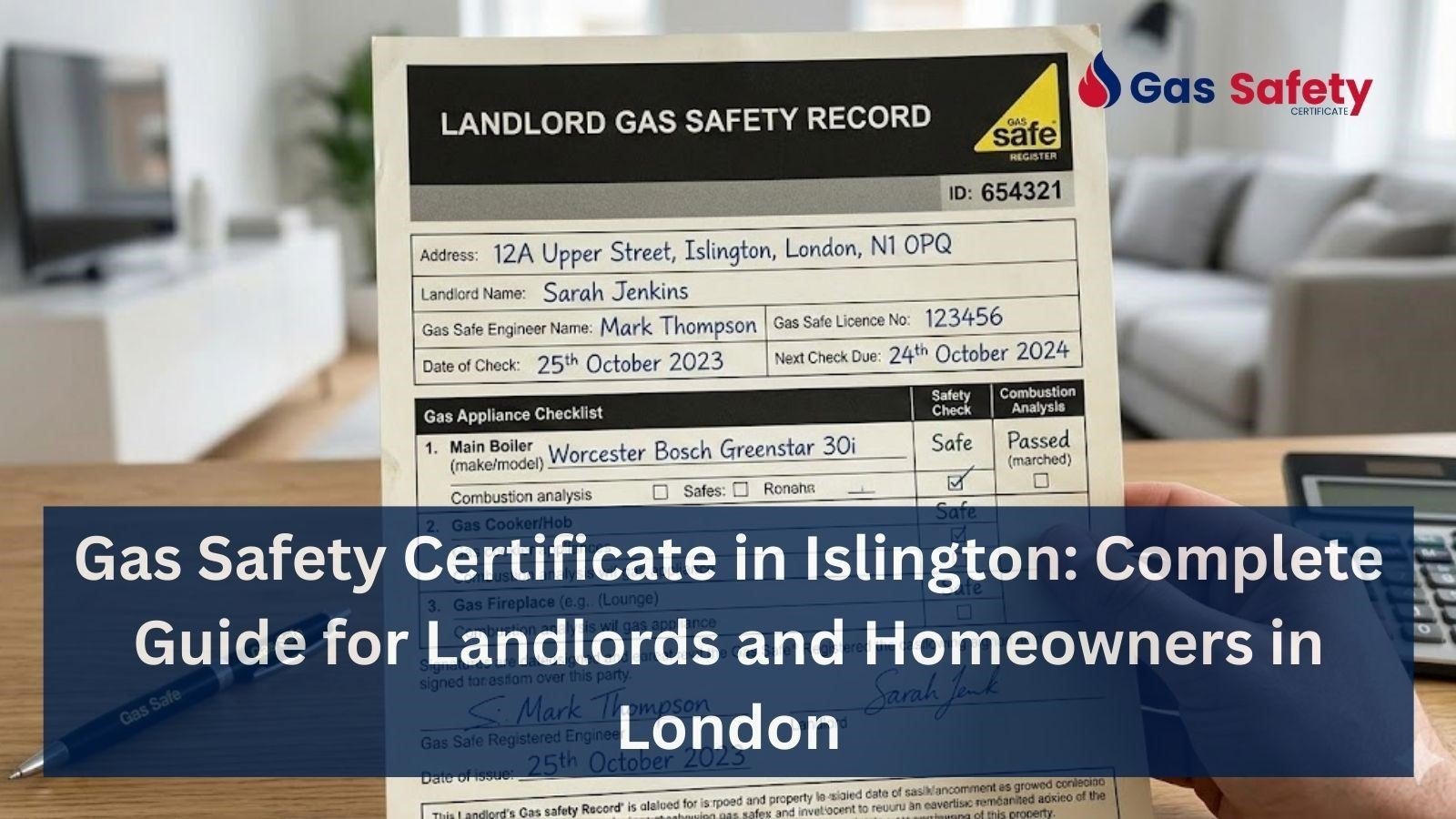
For landlords, the certificate serves as proof of compliance. For occupants, it provides assurance that safety has not been compromised by neglect or oversight.
Why Highbury Properties Require Extra Attention
Older Housing and Modern Usage
Many Highbury homes were built long before modern heating systems existed. Retrofitting gas appliances into older structures introduces unique challenges, including restricted ventilation paths and unconventional flue routing. These characteristics increase the importance of a thorough inspection process.
The Gas Safety Certificate in Highbury often highlights advisory notes that, while not immediately dangerous, signal the need for forward planning. Addressing these recommendations early reduces long-term risk and avoids emergency repairs during peak demand periods.
Density and Shared Systems
Converted properties and shared heating systems are common across Highbury. In such settings, a single fault can affect multiple households. This interconnected risk profile raises the stakes for landlords and managing agents, making accurate documentation and timely follow-up essential.
Landlord Responsibilities in 2026
From Compliance to Risk Management
In today’s regulatory climate, landlords are expected to demonstrate intent, not just compliance. The Gas Safety Certificate in Highbury functions as a risk management tool, helping landlords identify patterns, schedule preventative maintenance, and budget more accurately.
Many landlords now integrate gas safety into broader property strategies, aligning inspections with boiler servicing and seasonal checks. Providers such as gassafetycertificateuk.co.uk support this approach by offering structured scheduling and clear reporting, reducing the likelihood of missed renewals.
Legal and Financial Exposure
Failure to maintain valid certification exposes landlords to enforcement action, invalidated insurance claims, and potential civil liability. Even in the absence of an incident, expired or incomplete records can lead to penalties during audits or tenancy disputes.
In contrast, landlords with consistent documentation are better positioned to defend their actions should a fault or complaint arise.
Tenant Safety and Transparency
Protecting Occupants from Hidden Hazards
Tenants are rarely equipped to identify gas-related risks. Carbon monoxide is colourless and odourless, and many early-stage faults produce no visible warning signs. A current Gas Safety Certificate in Highbury reassures tenants that these invisible dangers have been professionally assessed.
In 2026, transparency plays a growing role in tenant satisfaction. Providing clear information about inspection outcomes fosters trust and reduces friction throughout the tenancy.
Impact on Tenancy Length and Stability
Safety confidence influences tenant behaviour. Properties that demonstrate consistent compliance often experience longer tenancies and fewer disputes. This stability benefits landlords financially while creating safer, more predictable living environments.
The Role of Property Managers
Accountability Through Systems
Property managers act as compliance custodians, ensuring inspections are booked, completed, and recorded correctly. The Gas Safety Certificate in Highbury tests the strength of these systems. A single missed renewal can place multiple parties at risk.
Professional managers increasingly rely on specialist partners like gassafetycertificateuk.co.uk to maintain centralised records and advance scheduling. This reduces administrative pressure while ensuring regulatory expectations are consistently met.
Managing Remedial Work
Inspections frequently identify advisory or remedial actions. Effective managers coordinate repairs promptly, communicate clearly with tenants, and retain evidence of completed work. This documentation is often as important as the certificate itself when demonstrating compliance.
Practical Safety Recommendations for Property Owners
Planning Ahead, Not Reacting Late
The most effective gas safety strategies are proactive. Scheduling inspections well before expiry dates allows time to address issues without urgency. It also reduces the risk of appliance downtime during winter months.
The Gas Safety Certificate in Highbury should be treated as part of a rolling safety programme rather than an annual checkbox.
Digital Record-Keeping
Paper certificates are easily misplaced. Digital records provide instant access during audits, insurance reviews, or property sales. As regulatory scrutiny increases, organised documentation becomes a competitive advantage rather than an administrative burden.
Looking Ahead: Gas Safety Beyond 2026
Rising Expectations and Oversight
Local authorities are increasing monitoring efforts, particularly in high-demand rental areas. The Gas Safety Certificate in Highbury now carries reputational weight, signalling whether a landlord or manager operates to modern professional standards.
Integration with Broader Safety Standards
Gas safety is increasingly assessed alongside electrical checks, fire risk assessments, and energy performance standards. Landlords who adopt an integrated compliance mindset are better prepared for future regulatory changes.
Key Takeaways
- Gas safety in Highbury requires proactive planning due to older housing stock
- Certification is both a legal requirement and a risk management tool
- Transparent communication improves tenant trust and retention
- Digital documentation strengthens compliance and accountability
- Long-term safety strategies reduce cost, disruption, and liability
FAQs
How often is a gas safety inspection required?
Inspections must be carried out at least once every 12 months for landlord-provided gas appliances.
Can homeowners benefit from gas safety inspections?
Yes. While not legally required, inspections help homeowners identify risks early and maintain system efficiency.
What happens if an appliance fails the inspection?
The appliance must be repaired or replaced before it can be used, and certification will not be issued until it is safe.
Are tenants entitled to see the certificate?
Yes. Tenants have the right to receive a copy within 28 days of inspection or before moving in.
Do advisory notes matter legally?
While advisory notes are not legally binding, ignoring them can increase risk and weaken a landlord’s position in disputes.
Who is liable if a property manager misses a renewal?
Liability may be shared between landlord and agent, depending on contractual responsibilities.