

Islington is one of London’s most established and tightly regulated residential boroughs. Elegant Georgian terraces, Victorian conversions, post-war estates, and modern apartment buildings all coexist within a compact urban footprint. This architectural diversity is part of the borough’s appeal—but it also creates complex gas safety challenges that landlords and homeowners cannot afford to ignore.
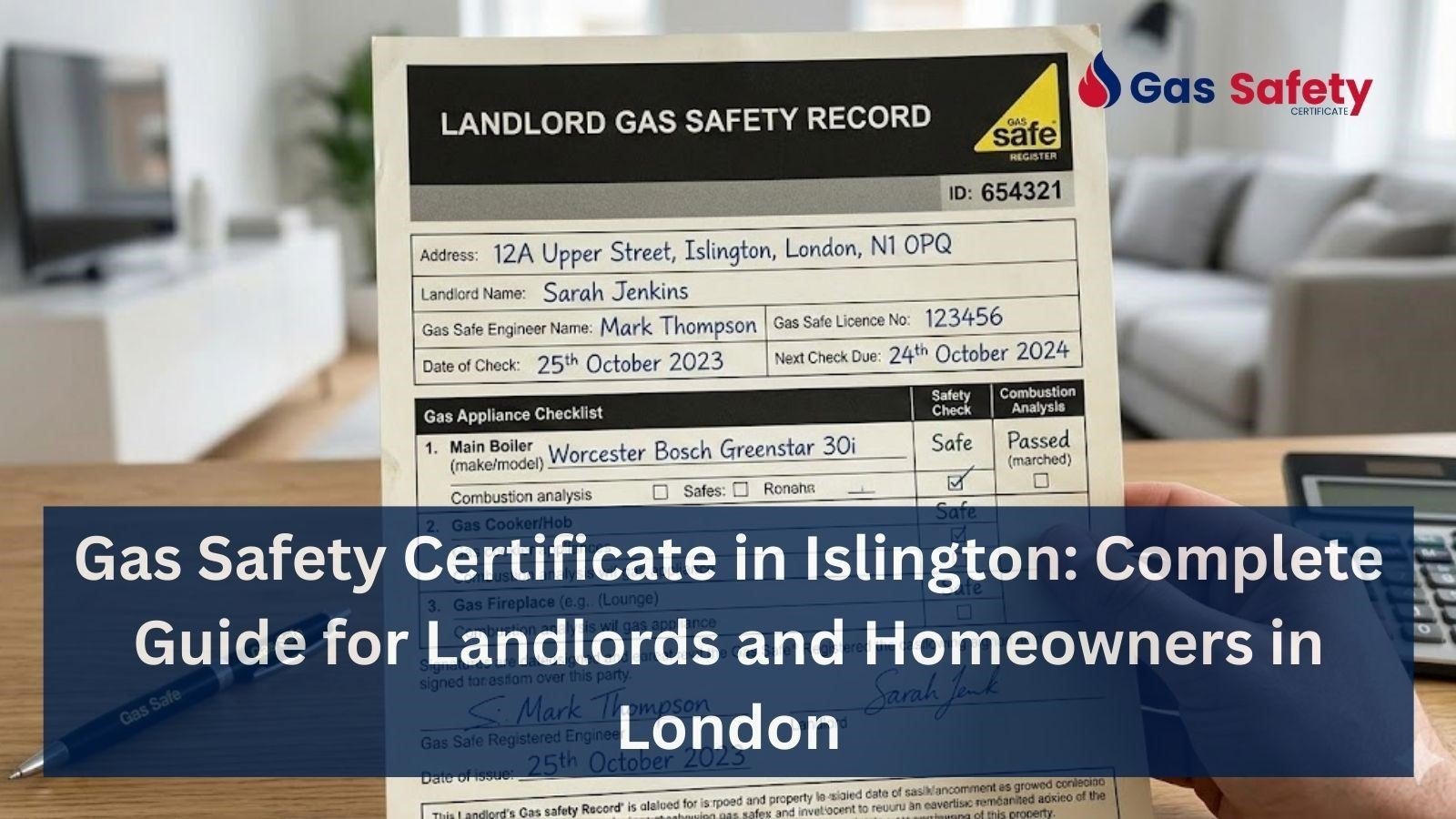
The Gas Safety Certificate in Islington sits at the centre of those responsibilities. It is not simply a document required once a year; it is a formal confirmation that a property’s gas appliances, pipework, and flues have been professionally assessed and found safe. In an area where local authority oversight is active and tenant awareness is high, gas safety compliance is increasingly viewed as a marker of professional property management rather than a basic obligation.
Experienced providers such as gassafetycertificateuk.co.uk support property owners across Islington by ensuring inspections are thorough, records are accurate, and compliance is maintained without unnecessary disruption.
The Role of Gas Safety in Islington’s Housing Landscape
Why Islington Presents Unique Gas Safety Risks
Islington’s housing stock reflects centuries of development. Many properties have been altered repeatedly—boilers replaced, layouts reconfigured, lofts converted, and ventilation routes adjusted. While these changes improve comfort and energy efficiency, they can unintentionally compromise gas safety if not properly assessed.
Shared flues, restricted airflow, and ageing pipework are common issues in converted buildings. In this context, the Gas Safety Certificate in Islington becomes an essential control measure, ensuring that changes made over time have not introduced hidden hazards.
Gas Safety as a Compliance Benchmark
Local authorities increasingly use gas safety records as a benchmark for wider housing compliance. During licensing applications, inspections, or tenant complaints, gas safety documentation is often one of the first items requested. Properties with clear, up-to-date certification are far less likely to face enforcement action or delays.
Understanding What a Gas Safety Certificate Actually Confirms
What is Inspected During a Gas Safety Check
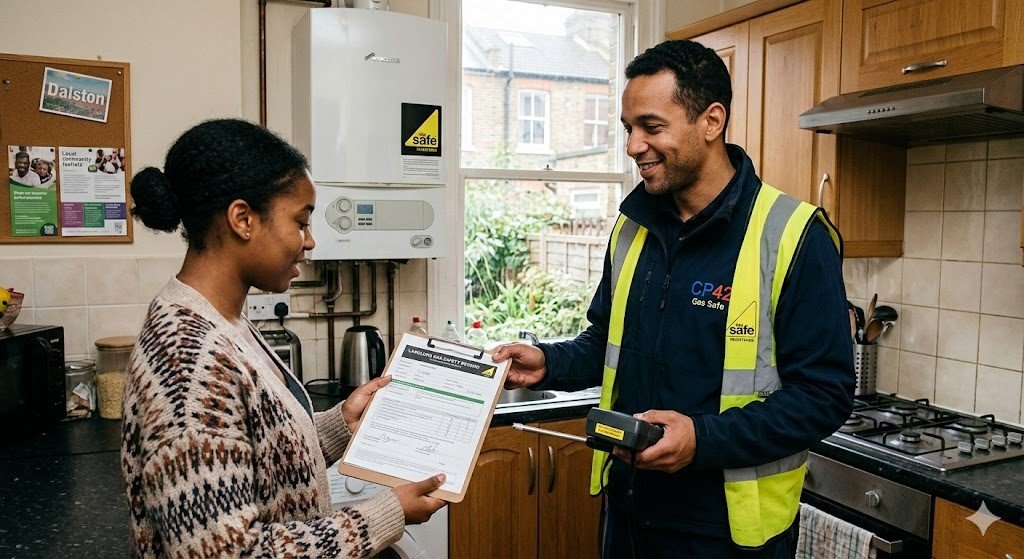
A gas safety certificate is issued after a Gas Safe registered engineer completes a structured inspection of all fixed gas appliances and associated systems within a property. This inspection is designed to confirm that installations are safe to use at the time of assessment.
Key elements include:
- Testing gas tightness and operating pressure
- Checking appliance installation quality and condition
- Assessing ventilation adequacy for safe combustion
- Verifying flue integrity and exhaust performance
While the certificate is valid for 12 months, it also forms part of a property’s safety history—an increasingly important factor in Islington’s regulated rental market.
Why Annual Inspections Matter in Practice
Gas systems degrade gradually. Seals wear, ventilation paths become obstructed, and appliances fall out of calibration. Annual inspections are not arbitrary; they are designed to catch these issues before they become dangerous or legally problematic.
Legal Responsibilities for Landlords and Property Owners
Statutory Duties Under UK Regulations
Under the Gas Safety (Installation and Use) Regulations, landlords have clear, non-negotiable obligations. They must:
- Arrange a gas safety inspection every 12 months
- Ensure inspections are carried out by Gas Safe-registered engineers
- Provide tenants with a copy of the certificate within 28 days
- Retain records for at least two years
A valid Gas Safety Certificate in Islington is often required during selective licensing reviews, council inspections, or legal disputes. Failure to comply can lead to fines, invalidated insurance, and, in serious cases, criminal prosecution.
Responsibility Cannot Be Passed On
Even when managing agents are involved, legal responsibility remains with the landlord. In practice, many enforcement cases arise because landlords assumed compliance was being handled elsewhere. In Islington, that assumption can prove costly.
The Gas Safety Inspection Process Explained
What Happens During a Professional Inspection
A gas safety inspection follows a methodical and auditable process:
- Visual inspection of appliances and accessible pipework
- Gas leak detection and pressure stability testing
- Assessment of ventilation routes and flue performance
- Functional testing of appliance safety controls
Each appliance is classified as safe, at risk, or immediately dangerous. Any appliance deemed unsafe must be disconnected until remedial work is completed. A current Gas Safety Certificate in Islington confirms that all inspected systems met safety standards on the inspection date.
Managing Repairs and Follow-Up Work
Where issues are identified, landlords must act promptly. Delayed repairs increase legal exposure and place occupants at risk. Coordinating inspections and remedial work through experienced providers such as gassafetycertificateuk.co.uk helps ensure faults are resolved efficiently and correctly.
Tenant Safety, Transparency, and Trust
Why Certification Influences Tenant Confidence
Tenants in Islington are typically well informed and proactive about safety. Many request documentation before signing a tenancy agreement or during renewals, particularly in older or converted properties.
Providing a valid Gas Safety Certificate in Islington reassures tenants that:
- Gas appliances are professionally maintained
- Carbon monoxide risks are actively managed
- The landlord takes safety and compliance seriously
This transparency often leads to smoother tenancies, fewer disputes, and greater cooperation during inspections.
Communication as a Practical Safeguard
Clear communication around inspection schedules and access requirements reduces friction and helps tenants understand their role in maintaining safety. In multi-occupancy buildings, this clarity is essential.
Financial and Strategic Benefits of Compliance
Cost Versus Consequence
Some landlords focus narrowly on the cost of inspections. In reality, the financial impact of non-compliance is far greater and may include:
- Regulatory penalties and enforcement action
- Voided landlord insurance policies
- Restrictions on serving possession notices
- Reputational damage in a competitive rental market
Maintaining a Gas Safety Certificate in Islington is one of the most cost-effective risk-management measures available to property owners.
Protecting Long-Term Property Value
Properties with consistent safety records are more attractive to buyers, lenders, and insurers. Clear documentation simplifies refinancing, licensing, and future sales—particularly in tightly regulated London boroughs.
Choosing the Right Gas Safety Partner
Why Experience Matters in Islington
Only Gas Safe registered engineers can legally carry out inspections, but experience with Islington’s varied housing stock is equally important. Older properties, shared flues, and restricted access require a higher level of technical judgement.
Working with established services like gassafetycertificateuk.co.uk allows landlords to manage inspections proactively while maintaining organised records that stand up to scrutiny from councils, insurers, and solicitors.
Avoiding Compliance Gaps
Missed renewals remain one of the most common enforcement triggers. Advance booking, reminder systems, and professional oversight are essential to maintaining continuous compliance.
Preparing for Future Compliance Expectations
How Gas Safety Standards Are Evolving
While core gas safety regulations remain stable, enforcement is becoming more data-driven and proactive. Digital record keeping, selective licensing schemes, and cross-departmental inspections mean landlords must be prepared to demonstrate compliance at short notice.
Maintaining an up-to-date Gas Safety Certificate in Islington is increasingly seen as part of a broader duty of care, rather than a standalone requirement.
Key Takeaways for Islington Property Owners
- Gas safety certification is a legal, ethical, and financial necessity
- Older and converted properties require enhanced oversight
- Clear documentation reduces enforcement and insurance risk
- Professional support simplifies compliance and protects asset value
Gas Safety as a Long-Term Standard, Not a One-Off Task
In a borough as closely regulated and architecturally complex as Islington, gas safety cannot be treated as an annual formality. The Gas Safety Certificate in Islington represents a landlord’s commitment to safety, legality, and professional standards.
By prioritising regular inspections, prompt repairs, and clear documentation, property owners protect tenants, preserve asset value, and reduce legal risk. As enforcement becomes more proactive and tenant expectations continue to rise, gas safety compliance will only grow in importance. Those who treat it as a long-term standard—not a last-minute task—will be best positioned for the future.
FAQs
What happens if a gas safety certificate expires?
If a certificate expires, the property is immediately non-compliant. Landlords should arrange an inspection as soon as possible to restore legal status.
Can tenants refuse access for a gas safety check?
Tenants can refuse access, but landlords must demonstrate reasonable efforts to gain entry. Proper communication and written records are essential.
Does a new boiler remove the need for annual checks?
No. All gas appliances, regardless of age, must be inspected annually.
Are digital gas safety certificates legally valid?
Yes. Digital certificates are accepted provided they are issued by a Gas Safe registered engineer and accessible to tenants.
Do owner-occupiers need a gas safety certificate?
Owner-occupiers are not legally required unless they rent out the property, but annual checks are strongly recommended.
Can one certificate cover multiple flats?
No. Each dwelling requires its own inspection and certificate.