

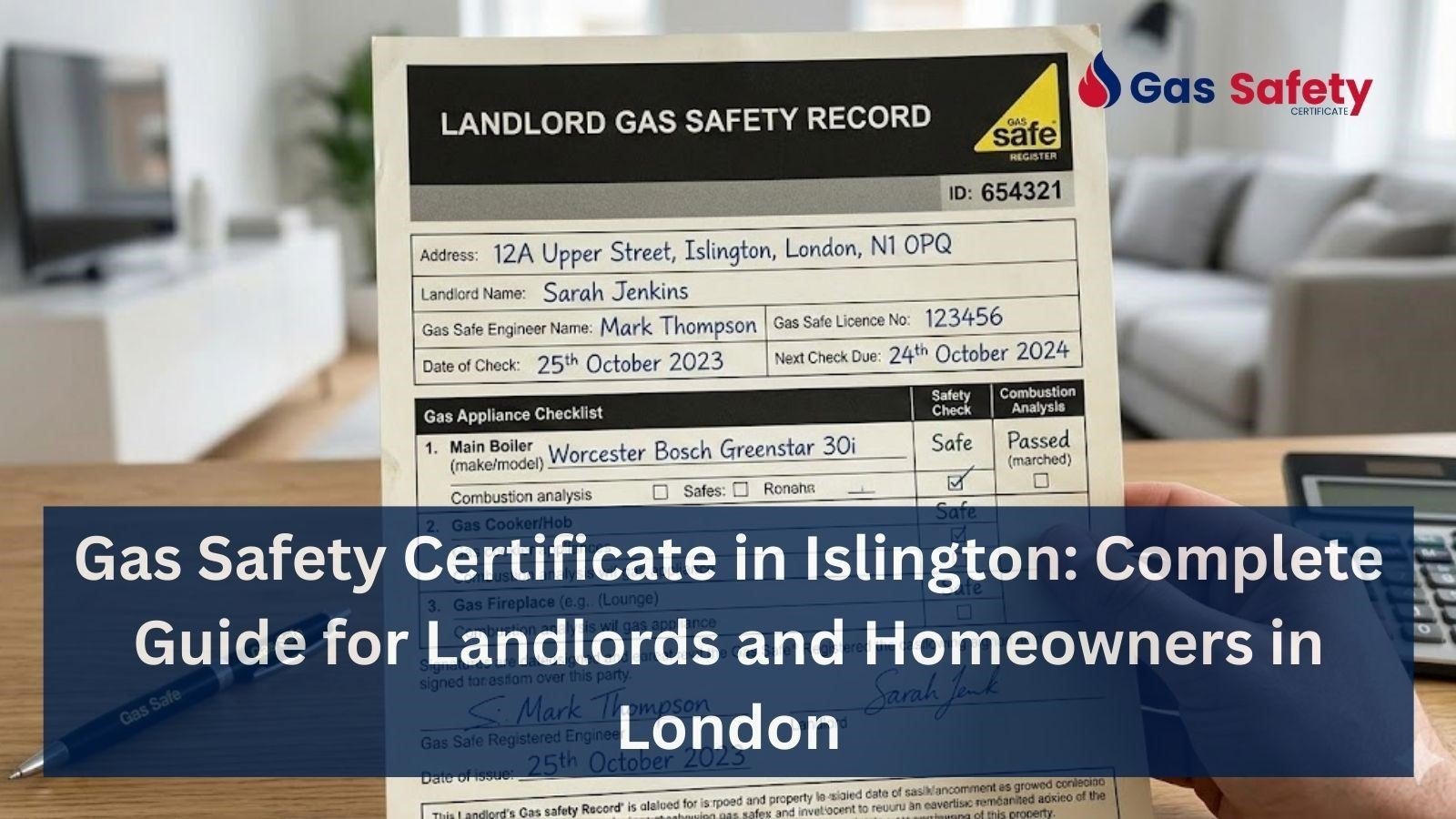
Ensuring gas appliances are safe and compliant is a legal and practical responsibility for property owners across Islington. Whether you are a landlord, homeowner, property manager, or letting agent, obtaining a Gas Safety Certificate is essential for protecting tenants and maintaining legal compliance. In busy urban areas such as London, regular gas safety inspections are not just recommended—they are required under UK regulations.
This comprehensive guide explains everything you need to know about obtaining a Gas Safety Certificate in Islington, including legal requirements, the inspection process, common safety risks, benefits for property owners, and how professional engineers from gassafetycertificateuk.co.uk can help ensure compliance quickly and efficiently.
Gas Safety Certificate in Islington
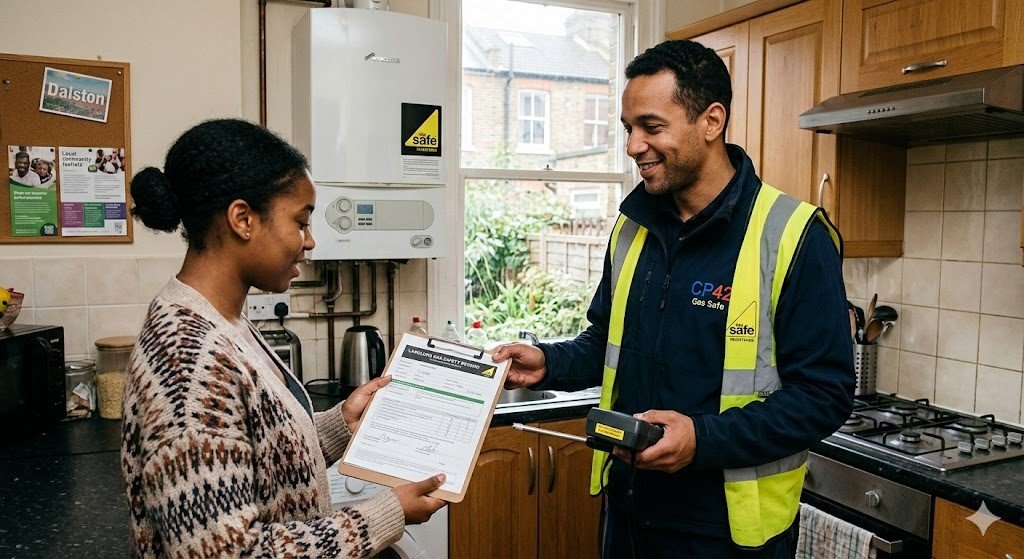
A Gas Safety Certificate, often called a CP12 certificate, is an official document issued after a gas safety inspection by a qualified engineer registered with the Gas Safe Register. The certificate confirms that gas appliances, pipework, and flues in a property are safe to use and comply with UK gas safety regulations.
For landlords in Islington, obtaining this certificate annually is a legal obligation. Failure to comply can result in significant penalties, including fines or legal action.
Understanding the Importance of Gas Safety in Islington
Islington contains a diverse mix of residential properties including period townhouses, converted flats, apartment complexes, and rental homes. Many of these properties rely on gas-powered systems for heating and cooking.
Gas safety inspections help ensure that these systems operate safely and efficiently.
Preventing Carbon Monoxide Poisoning
Carbon monoxide is a dangerous gas that has no smell, taste, or colour. Faulty gas appliances can release carbon monoxide into living spaces, posing a serious health risk.
Annual inspections significantly reduce the risk of carbon monoxide exposure.
Preventing Gas Leaks and Fire Hazards
Gas leaks can lead to fires or explosions if left undetected. Regular inspections help identify leaks early and prevent dangerous situations.
Ensuring Appliance Efficiency
Properly maintained gas appliances operate more efficiently, reducing energy consumption and lowering utility bills.
Protecting Tenants and Occupants
Landlords are legally responsible for ensuring tenants live in a safe environment. Gas safety checks protect occupants from potential hazards.
Legal Gas Safety Requirements for Landlords
Under the Gas Safety (Installation and Use) Regulations 1998, landlords must follow strict guidelines regarding gas safety.
Key legal responsibilities include:
- Arranging a gas safety inspection every 12 months
- Hiring a Gas Safe-registered engineer
- Providing tenants with a Gas Safety Certificate within 28 days
- Maintaining gas appliances, pipework, and flues
- Keeping safety records for at least two years
Failure to comply with these requirements can result in significant penalties, including large fines and legal action.
What Does a Gas Safety Inspection Include?
A professional gas safety inspection is a detailed process designed to identify any risks or faults within a gas system.
Engineers from gassafetycertificateuk.co.uk follow strict procedures to ensure all appliances and installations meet safety standards.
Inspection of Gas Appliances
All gas-powered appliances within the property are examined for safe operation.
Common appliances inspected include:
- Gas boilers
- Gas cookers and ovens
- Gas fires
- Gas heaters
- Central heating systems
Engineers check ignition systems, burner performance, flame quality, and overall functionality.
Gas Leak Testing
Gas pipework is tested to ensure there are no leaks or pressure issues.
Specialist equipment is used to detect even the smallest gas leaks that could become hazardous.
Ventilation Inspection
Gas appliances require proper ventilation to operate safely.
The engineer checks that ventilation openings are adequate and unobstructed.
Flue Flow Testing
Flues carry combustion gases away from the property.
The engineer confirms that flues:
- Are properly installed
- Have no blockages
- Safely remove combustion gases
Safety Device Checks
Modern gas appliances include built-in safety mechanisms. These devices are tested to ensure they function correctly.
Types of Properties Requiring Gas Safety Certificates
Gas safety inspections are essential for many types of residential properties.
Rental Properties
Landlords must obtain an annual Gas Safety Certificate for all rental properties.
HMOs (Houses in Multiple Occupation)
HMOs require strict compliance with gas safety regulations due to multiple occupants.
Apartment Buildings
Property management companies often arrange inspections for multiple units within a building.
Student Accommodation
Student housing providers must maintain up-to-date gas safety certificates to ensure tenant safety.
Holiday Rentals
Short-term rental properties must also maintain safe gas systems.
Common Gas Safety Issues Found in Islington Homes
Due to the age and structure of many London properties, engineers frequently encounter certain gas safety problems.
Ageing Boilers
Older boilers may lack modern safety features and require replacement or repair.
Blocked Chimneys and Flues
Debris, nests, or structural issues can obstruct flues, preventing proper ventilation.
Improper Appliance Installation
Some appliances may have been installed incorrectly by unqualified individuals.
Poor Ventilation
Inadequate airflow can cause dangerous gas buildup in enclosed spaces.
Worn Gas Pipework
Corroded or damaged pipework can lead to gas leaks over time.
Regular inspections help identify and resolve these issues before they become serious hazards.
Why Gas Safety Certificates Are Essential in Islington
Islington is one of London’s most densely populated boroughs, with a mix of Victorian properties, modern apartments, and rental homes. With so many properties using gas for heating, hot water, and cooking, safety checks are critical.
Legal Requirement for Landlords
UK law requires landlords to conduct a yearly gas safety inspection. After the inspection, tenants must receive a copy of the Gas Safety Certificate within 28 days.
Key legal requirements include:
- Annual gas safety inspection
- Inspection conducted by a Gas Safe registered engineer
- Records kept for at least two years
- Copy provided to tenants
Failure to follow these rules can lead to fines and possible criminal charges.
What is Included in a Gas Safety Inspection?
A professional gas safety inspection covers all gas appliances and related systems in the property.
Engineers from gassafetycertificateuk.co.uk typically check the following:
Gas Appliances
Every gas appliance is inspected for safe operation, including:
- Boilers
- Gas cookers
- Gas hobs
- Gas fires
- Central heating systems
Gas Pipework
Gas pipework is examined to ensure:
- Proper installation
- No leaks or corrosion
- Correct pressure levels
Ventilation and Airflow
Adequate ventilation is essential for gas appliances to operate safely. Engineers check that ventilation openings are clear and properly positioned.
Flues and Chimneys
Flues must remove combustion gases safely from the property. Inspections confirm:
- Flue integrity
- Proper ventilation
- No blockages or leaks
Who Needs a Gas Safety Certificate in Islington?
While landlords are legally required to obtain a certificate, many other property owners also benefit from regular inspections.
Landlords
Landlords must arrange an annual inspection and provide certificates to tenants.
Letting Agents
Property managers often coordinate gas safety checks for multiple rental properties.
Homeowners
Although not legally required, homeowners should schedule periodic gas safety inspections to protect their families and property.
Property Developers
Developers must ensure newly installed gas appliances meet safety regulations before occupation.
The Gas Safety Inspection Process
The inspection process is straightforward when handled by experienced engineers.
Booking the Inspection
Property owners schedule a convenient appointment with a qualified engineer.
On-Site Inspection
The engineer conducts a detailed safety check of appliances, pipework, and ventilation systems.
Safety Assessment
Appliances are classified:
- Safe to use
- At Risk (AR)
- Immediately Dangerous (ID)
Issuing the Gas Safety Certificate
If the system passes inspection, the Gas Safety Certificate is issued the same day.
Common Gas Safety Issues Found in Islington Properties
Older properties in Islington can sometimes develop gas safety issues due to aging infrastructure or outdated appliances.
Common problems include:
Poorly Maintained Boilers
Boilers that have not been serviced regularly may produce dangerous carbon monoxide.
Gas Leaks
Even small leaks can pose serious health and fire risks.
Blocked Flues
Blocked flues prevent harmful gases from escaping safely.
Faulty Gas Appliances
Old or damaged appliances may not meet modern safety standards.
Professional engineers from gassafetycertificateuk.co.uk can identify these issues early and recommend solutions before they become serious hazards.
Benefits of Getting a Gas Safety Certificate
Obtaining a Gas Safety Certificate offers several benefits beyond legal compliance.
Protects Tenants and Occupants
Gas appliances that are not properly maintained can lead to carbon monoxide poisoning. Safety inspections ensure appliances are functioning correctly.
Legal Compliance
Landlords who maintain valid gas safety records avoid fines and legal complications.
Increased Property Value
Properties with documented maintenance records are more attractive to tenants and buyers.
Reduced Repair Costs
Early detection of gas system issues can prevent expensive repairs later.
Peace of Mind
Knowing your property is safe provides confidence for both landlords and residents.
How Often Should Gas Appliances Be Checked?
Gas appliances should generally be checked once per year. However, some components may require more frequent servicing.
Recommended maintenance schedule:
| Appliance | Recommended Check |
| Boiler | Annually |
| Gas cooker | Annually |
| Gas fire | Annually |
| Pipework | During annual inspection |
| Flues | During the annual inspection |
Annual inspections ensure consistent safety and regulatory compliance.
Responsibilities of Landlords in Islington
Landlords have several legal responsibilities regarding gas safety.
These include:
- Scheduling annual gas safety inspections
- Using a Gas Safe-registered engineer
- Providing certificates to tenants
- Maintaining safe gas appliances
- Keeping records of inspections
Failure to comply can result in:
- Heavy fines
- Invalid landlord insurance
- Legal prosecution
Why Choose Professional Gas Safety Engineers?
Not all engineers are qualified to perform gas safety inspections. Only engineers registered with the Gas Safe Register are legally allowed to work on gas appliances.
Professional engineers provide:
- Certified inspections
- Accurate safety assessments
- Immediate documentation
- Expert advice on gas system maintenance
The team at gassafetycertificateuk.co.uk specialises in providing reliable gas safety inspections throughout London, including Islington.
Why Property Owners in Islington Trust gassafetycertificateuk.co.uk
When it comes to gas safety services, experience and reliability are essential. gassafetycertificateuk.co.uk offers professional inspection services tailored to the needs of London landlords and homeowners.
Key advantages include:
Certified Engineers
All engineers are fully qualified and registered with the Gas Safe Register.
Fast Appointments
Flexible booking options allow inspections to be completed quickly.
Same-Day Certificates
Gas Safety Certificates are often issued immediately after inspection.
Affordable Pricing
Transparent pricing ensures landlords receive professional services at competitive rates.
Local Expertise
Engineers understand the unique property types found throughout Islington.
Internal Linking Suggestions for SEO
To strengthen website SEO and improve user experience, consider linking this page to related service pages within gassafetycertificateuk.co.uk.
Suggested internal links include:
- Gas Safety Certificate London
- Landlord Gas Safety Certificate Services
- Boiler Safety Inspection London
- CP12 Certificate Services
- Gas Appliance Testing Services
Internal linking improves site structure and helps search engines understand service relevance.
Tips for Maintaining Gas Safety in Your Property
While annual inspections are essential, property owners can take additional steps to maintain safety between checks.
Schedule Regular Boiler Servicing
Annual boiler servicing ensures efficiency and prevents breakdowns.
Install Carbon Monoxide Detectors
CO detectors provide early warning of dangerous gas leaks.
Keep Ventilation Areas Clear
Blocked vents can cause dangerous gas buildup.
Replace Old Appliances
Older appliances may not meet modern safety standards.
Gas Safety and Tenant Protection
Tenant safety is a top priority in rental properties. Providing a Gas Safety Certificate reassures tenants that their home meets safety standards.
Benefits for tenants include:
- Safe heating systems
- Reduced carbon monoxide risk
- Confidence in property maintenance
Landlords who prioritise safety also build stronger relationships with tenants.
Gas Safety Regulations in the UK
Gas safety regulations are enforced under the Gas Safety (Installation and Use) Regulations.
These regulations require:
- Annual gas inspections
- Qualified engineers
- Accurate documentation
- Safe appliance installation
Compliance ensures that gas systems operate safely in residential properties.
How to Book a Gas Safety Certificate in Islington
Booking a gas safety inspection is simple.
Property owners typically:
- Contact a certified gas engineer
- Schedule an inspection appointment
- Complete the property inspection
- Receive the Gas Safety Certificate
Professional providers like gassafetycertificateuk.co.uk streamline the process, allowing landlords to meet legal requirements quickly.
FAQs
1. What is a Gas Safety Certificate?
A Gas Safety Certificate is an official document issued after a qualified engineer inspects gas appliances and confirms they meet safety standards.
2. How often do landlords need a Gas Safety Certificate?
Landlords must obtain a Gas Safety Certificate every 12 months to comply with UK gas safety regulations.
3. Who can issue a Gas Safety Certificate in Islington?
Only engineers registered with the Gas Safe Register are legally authorised to perform gas safety inspections and issue certificates.
4. How long does a gas safety inspection take?
Most gas safety inspections take between 30 minutes and one hour, depending on the number of appliances in the property.
5. What happens if a gas appliance fails the inspection?
If an appliance is classified as unsafe, the engineer may disconnect it and recommend repairs or replacement before issuing a certificate.