

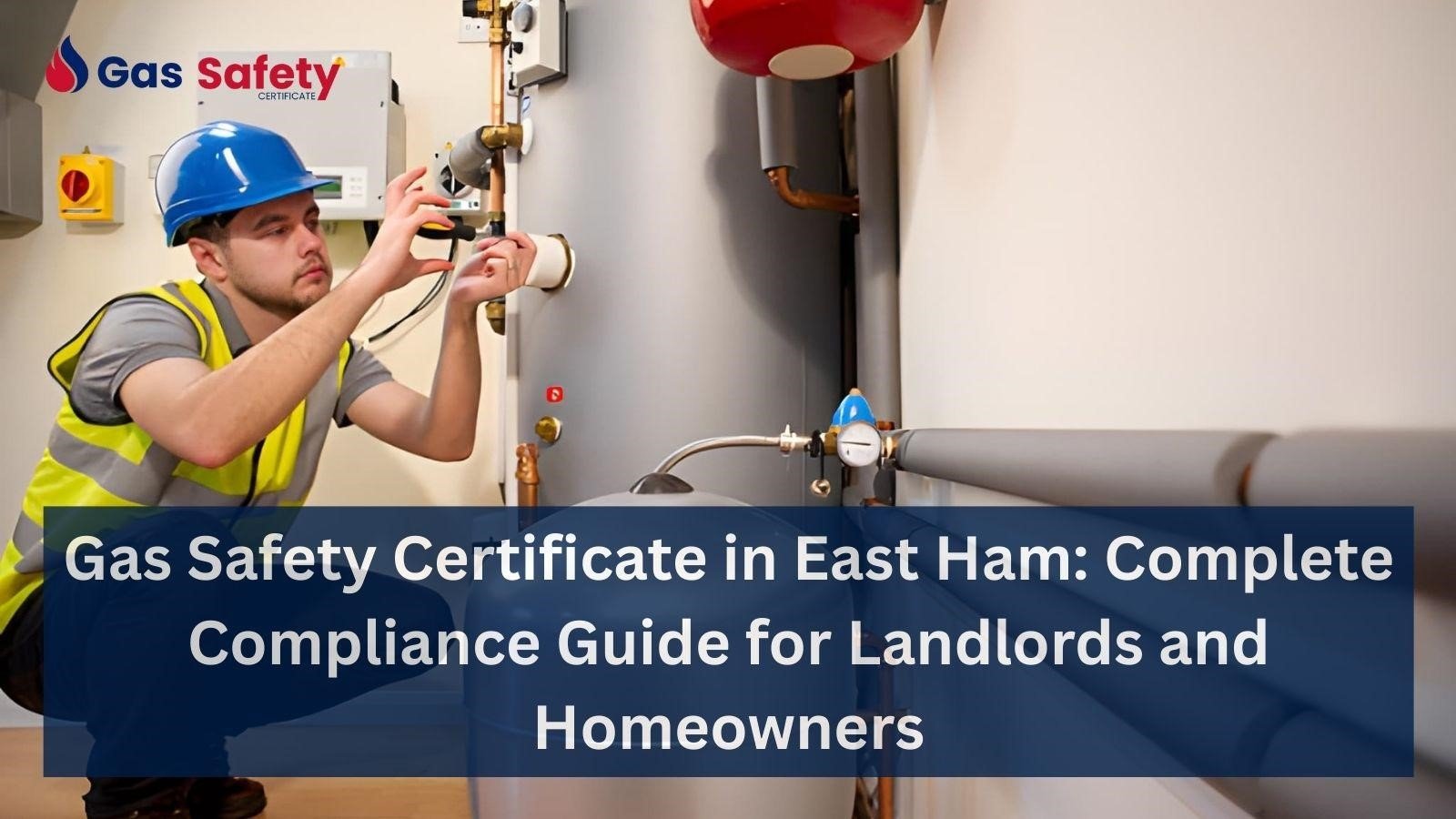
Gas safety is not just a regulatory requirement—it is a critical responsibility for every property owner and landlord. If you own or manage property in East London, securing a Gas Safety Certificate in East Ham is essential for legal compliance, tenant protection, and long-term property maintenance.
Whether you are a private landlord, managing agent, homeowner, or commercial property operator, understanding the legal framework, inspection process, and compliance standards ensures you remain protected and penalty-free.
The Definitive Landlord & Property Compliance Handbook
Gas safety compliance is not simply a box-ticking exercise—it is a legal obligation, a risk-management strategy, and a vital duty of care. For landlords, letting agents, and property owners, obtaining a Gas Safety Certificate in East Ham ensures full compliance with UK regulations while protecting tenants, property assets, and long-term rental income.
East Ham’s property landscape includes Victorian terraces, subdivided flats, HMOs, council-managed housing, and new-build developments. Many of these properties rely heavily on gas-fired central heating systems, combination boilers, cookers, and gas fires. This makes annual gas safety inspections essential for operational safety and legal protection.
What Does a Gas Safety Inspection Involve?
A full inspection is far more detailed than a basic visual check.
1. Gas Tightness Test
The engineer checks for leaks in the gas supply system using calibrated testing equipment.
2. Appliance Operating Pressure
Incorrect gas pressure can indicate internal faults or supply issues.
3. Combustion Analysis
Advanced analysers measure flue gases to ensure safe combustion levels.
4. Flue Flow Test
Ensures combustion gases are safely expelled outside the property.
5. Ventilation Check
Confirms that adequate airflow is available for safe operation.
6. Safety Device Testing
Verifies that flame failure devices and cut-off systems function properly.
Once all checks pass, the Gas Safety Certificate in East Ham is issued.
Classification of Gas Safety Faults
During inspection, engineers classify issues as:
Immediately Dangerous (ID)
Appliances posing an immediate risk must be disconnected.
At Risk (AR)
Potentially dangerous if left unresolved.
Not to Current Standards (NCS)
Safe but outdated installations.
Landlords must act quickly on ID and AR issues to remain compliant.
Responsibilities of East Ham Landlords
Landlords must:
- Arrange annual inspections
- Maintain gas appliances regularly
- Provide tenants with a copy of the certificate within 28 days
- Retain records for at least two years
- Ensure appliances are safe at the start of each tenancy
Failure to comply may invalidate eviction notices and insurance coverage.
Gas Safety and Section 21 Notices
Without a valid Gas Safety Certificate in East Ham:
- You cannot legally serve a Section 21 notice.
- Courts may dismiss possession claims.
- Tenants may challenge eviction proceedings.
Gas compliance is therefore directly linked to tenancy management rights.
Gas Safety for HMOs in East Ham
Houses in Multiple Occupation carry additional compliance responsibilities.
Because multiple tenants share facilities:
- Appliance usage frequency is higher.
- Wear and tear increase.
- Risk exposure is greater.
Annual certification is compulsory, and inspections may take longer due to multiple appliances.
Professional providers such as gassafetycertificateuk.co.uk understand the complexity of HMO inspections and structure checks accordingly.
Carbon Monoxide: The Silent Threat
Carbon monoxide (CO) is colourless and odourless, yet potentially fatal.
Causes include:
- Blocked flues
- Poor ventilation
- Faulty boilers
- Incomplete combustion
Landlords must install CO alarms where solid fuel appliances exist, but best practice recommends alarms near gas boilers as well.
A Gas Safety Certificate in East Ham significantly reduces CO-related risks.
Insurance and Financial Protection
Most landlord insurance policies require proof of:
- Annual gas inspections
- Appliance servicing records
- Safety documentation
Failure to maintain a valid certificate can lead to rejected insurance claims following fire or explosion incidents.
Compliance protects both life and investment.
Common Inspection Failures in East Ham Properties
Frequent issues include:
- Corroded flue terminals
- Insufficient boiler servicing
- Inadequate ventilation
- Loose gas connections
- DIY appliance installations
- Blocked chimney systems
Routine maintenance dramatically improves pass rates.
Emergency Gas Situations
If tenants report:
- Smell of gas
- The pilot light is repeatedly going out
- Carbon monoxide alarm activation
- Yellow/orange boiler flame
Immediate action is required. Emergency services and qualified engineers must be contacted without delay.
Annual certification reduces the likelihood of emergencies but does not replace rapid response protocols.
Renewal Strategy for Landlords
To maintain uninterrupted compliance:
- Track expiry dates
- Schedule inspections 4–8 weeks early
- Maintain appliance servicing annually
- Store certificates securely
- Set automated reminders
Proactive compliance avoids last-minute risks.
What is a Gas Safety Certificate?
A Gas Safety Certificate—also known as a CP12 certificate—is an official document issued after a qualified Gas Safe registered engineer inspects gas appliances, fittings, and flues within a property.
The certificate confirms:
- Gas appliances are safe to use
- Flues and chimneys are operating correctly
- Ventilation meets regulatory standards
- Gas pipework is secure and leak-free
- Safety devices function properly
The Gas Safety Certificate in East Ham is legally required for rental properties and highly recommended for homeowners.
Why Gas Safety Matters in East Ham
East Ham is a vibrant and densely populated area in East London with a mix of Victorian terraces, converted flats, HMOs, and modern developments. Many properties rely heavily on gas boilers, cookers, and heating systems.
Because of the age and diversity of properties, gas safety inspections are particularly important to:
- Prevent carbon monoxide poisoning
- Reduce fire hazards
- Detect gas leaks early
- Maintain appliance efficiency
- Avoid legal penalties
A valid Gas Safety Certificate in East Ham provides reassurance that a property is safe for occupancy.
Legal Requirements for Landlords
If you are a landlord, you are legally required to obtain a Gas Safety Certificate annually under UK law.
Landlord Responsibilities Include:
- Annual gas safety inspection by a Gas Safe registered engineer
- Providing tenants with a copy of the certificate within 28 days
- Keeping records for at least two years
- Ensuring all appliances are properly maintained
Failure to comply can result in:
- Unlimited fines
- Invalidated landlord insurance
- Prosecution
- Inability to serve Section 21 notice
- Potential imprisonment in severe cases
A Gas Safety Certificate in East Ham is therefore not optional—it is mandatory for rental properties.
Who Needs a Gas Safety Certificate in East Ham?
You need a Gas Safety Certificate if you are:
- A private landlord
- A letting agent managing gas appliances
- An HMO property owner
- A housing association
- A commercial property landlord
- A holiday let operator
Homeowners selling their property are not legally required to provide one, but having a valid certificate improves buyer confidence.
What Does a Gas Safety Inspection Cover?
A Gas Safe engineer performs a structured safety assessment that includes:
1. Boiler Inspection
- Burner pressure checks
- Gas tightness testing
- Combustion analysis
- Flue integrity check
- Safety control testing
2. Gas Cookers & Hobs
- Flame stability
- Ignition performance
- Gas rate verification
- Ventilation assessment
3. Gas Fires
- Chimney/flue performance
- Carbon monoxide testing
- Heat output verification
4. Pipework and Gas Meter
- Leak detection
- Proper installation standards
- Secure connections
After a successful inspection, the engineer issues the Gas Safety Certificate in East Ham.
How Often is a Gas Safety Certificate Required?
For landlords, the inspection must be completed every 12 months.
You can conduct the inspection:
- Up to 2 months before expiry
- Without altering the original renewal date
This flexibility helps maintain continuous compliance.
The Inspection Process Explained
Understanding the process helps landlords and homeowners prepare effectively.
Step 1: Booking the Appointment
You schedule an inspection with a Gas Safe-registered engineer.
Step 2: On-Site Assessment
The engineer inspects all gas appliances and installations.
Step 3: Fault Identification
Any issues are classified as:
- Immediately Dangerous (ID)
- At Risk (AR)
- Not to Current Standards (NCS)
Step 4: Remedial Work (If Required)
Repairs must be completed before certification.
Step 5: Certificate Issuance
Once safe, the Gas Safety Certificate in East Ham is issued.
Professional services such as gassafetycertificateuk ensure inspections are efficient and fully compliant.
Common Reasons for Failing a Gas Safety Inspection
Many properties fail inspections due to preventable issues, including:
- Poor boiler servicing
- Blocked flues
- Lack of ventilation
- Gas leaks
- Incorrect appliance installation
- Faulty safety devices
Routine maintenance significantly reduces the risk of failure.
Benefits of Having a Valid Gas Safety Certificate
Obtaining a Gas Safety Certificate in East Ham provides several advantages:
Legal Protection
Avoid penalties and remain compliant.
Tenant Confidence
Tenants prefer renting from responsible landlords.
Insurance Validity
Many insurance policies require compliance proof.
Property Value
Safe, well-maintained properties retain higher value.
Reduced Emergency Costs
Early detection prevents costly breakdowns.
Gas Safety Certificate for HMOs in East Ham
Houses in Multiple Occupation (HMOs) have stricter compliance requirements.
Landlords must:
- Conduct annual gas safety checks
- Maintain detailed compliance records
- Ensure communal areas are safe
- Comply with local authority regulations
Given the higher occupancy rates in HMOs, gas safety is even more critical.
Commercial Gas Safety Certificates
Businesses operating from East Ham premises must also comply with gas safety regulations.
Commercial inspections may include:
- Larger boiler systems
- Industrial kitchen appliances
- Multiple gas installations
- Advanced flue systems
Certification ensures operational continuity and staff safety.
What Happens If You Don’t Have a Gas Safety Certificate?
Non-compliance can lead to:
- Criminal prosecution
- Fines without limit
- Property closure
- Insurance claim rejection
- Tenant compensation claims
For landlords, this can significantly damage reputation and financial stability.
How Much Does a Gas Safety Certificate in East Ham Cost?
Costs vary depending on:
- Number of appliances
- Property size
- HMO vs single dwelling
- Required repairs
While price matters, compliance and safety should always take priority over the cheapest option.
Reliable providers such as gassafetycertificateuk.co.uk offer transparent pricing and professional service.
Preparing for a Gas Safety Inspection
To ensure a smooth inspection:
- Ensure access to all appliances
- Clear space around the boiler
- Provide previous certificates
- Inform tenants in advance
- Service appliances regularly
Preparation reduces delays and improves pass rates.
Carbon Monoxide Safety in East Ham Properties
Carbon monoxide (CO) is a silent, odourless gas that can be fatal.
Landlords must:
- Install CO alarms where required
- Ensure ventilation is adequate
- Respond quickly to tenant safety concerns
Gas safety inspections play a critical role in preventing CO exposure.
Choosing a Gas Safe Registered Engineer
When selecting an engineer:
- Verify Gas Safe registration
- Check ID card credentials
- Confirm experience with your property type
- Ask about insurance coverage
- Ensure certification documentation is provided
Professional providers like gassafetycertificateuk.co.uk prioritise compliance and customer safety.
The Importance of Annual Maintenance
While certification is annual, maintenance should be ongoing.
Regular servicing:
- Improves efficiency
- Reduces breakdown risk
- Extends appliance lifespan
- Keeps energy bills lower
Proactive landlords in East Ham protect both tenants and investments through consistent maintenance.
Digital Gas Safety Certificates
Modern services now provide digital CP12 certificates, which offer:
- Instant delivery
- Easy record keeping
- Quick tenant distribution
- Secure storage
Digital documentation simplifies compliance management.
Why East Ham Landlords Trust Professional Services
Local landlords choose professional providers because they:
- Understand East Ham property types
- Provide fast turnaround
- Offer flexible booking
- Deliver compliance-focused service
- Ensure clear communication
Using trusted providers ensures your Gas Safety Certificate in East Ham is handled efficiently.
Final Thoughts
Gas safety is not an administrative burden—it is a legal, financial, and moral responsibility. A valid Gas Safety Certificate in East Ham protects tenants, preserves property value, and ensures compliance with UK regulations.
Landlords and property owners who prioritise gas safety reduce risks, prevent costly emergencies, and maintain professional standards.
If you require a reliable inspection service, experienced providers like gassafetycertificateuk.co.uk ensure your property remains safe, certified, and compliant year after year.
Frequently Asked Questions (FAQs)
1. How long does a Gas Safety Certificate in East Ham last?
It remains valid for 12 months from the date of issue. Landlords must renew it annually to remain compliant.
2. Can tenants arrange a gas safety check themselves?
No. The legal responsibility lies with the landlord, although tenants must provide access for inspection.
3. What if my boiler fails the inspection?
The engineer will classify the fault and may disconnect the appliance if dangerous. Repairs must be completed before certification.
4. Do I need a Gas Safety Certificate if the property is empty?
Yes. If you intend to rent it out, certification must be valid before tenants move in.
5. Is a gas service the same as a Gas Safety Certificate?
No. A service focuses on maintenance, while a Gas Safety Certificate confirms legal compliance after a safety inspection.