


Manor House sits at an interesting crossroads of London living. Straddling parts of Hackney, Haringey and Islington, the area blends late Victorian terraces, interwar mansion blocks, post-war estates and a growing number of subdivided rental properties. This mix of housing types brings character, but it also brings responsibility—particularly when it comes to gas safety.
If you own or manage property here, a Gas Safety Certificate in Manor House is not a box-ticking exercise. It’s a legal duty, a practical safeguard, and in many cases, a moment of clarity about how well your building has aged. This guide explains what gas safety really looks like on the ground in Manor House, how inspections work in real homes, and what landlords and homeowners can do to stay compliant without stress.
Understanding Gas Safety in a Manor House Context
Gas safety law is set nationally, but its application is always local. Manor House properties often share common traits that influence inspections:
- Older pipework routed through walls and floor voids
- Converted houses with multiple gas appliances added over time
- Flats with shared risers or meters installed decades ago
- High rental density, especially among young professionals and families
These factors mean inspections here are rarely “routine”. Engineers often need to trace pipe runs, assess ventilation that was never designed for modern boilers, and check appliances installed by previous owners.
A Gas Safety Certificate confirms that gas appliances and flues have been checked by a Gas Safe registered engineer and found safe at the time of inspection. For landlords, it’s a legal requirement renewed every 12 months. For homeowners, it’s a sensible way to understand the condition of your system, especially in older housing stock.
Why Gas Safety Matters More in Older London Properties
Many Manor House homes date back to the late 1800s or early 1900s. While solidly built, they weren’t designed for central heating systems, combination boilers, or modern gas cookers.
Common issues engineers find include:
- Flues that no longer meet current standards
- Inadequate ventilation in converted kitchens or bathrooms
- Boilers installed in cupboards without sufficient airflow
- Pipework was altered during refurbishments without proper testing
These aren’t dramatic failures, but they matter. Carbon monoxide is colourless and odourless, and small faults can escalate if left unchecked.
Local councils across Hackney and Haringey consistently emphasise proactive maintenance in private rentals. Annual gas checks are one of the few opportunities to spot problems before they affect tenants or neighbours.
Legal Responsibilities for Landlords in Manor House
If you rent out a property in Manor House, your responsibilities are clear under the Gas Safety (Installation and Use) Regulations.
You must:
- Arrange an annual gas safety check for all gas appliances and flues
- Use a Gas Safe registered engineer
- Provide tenants with a copy of the Gas Safety Certificate within 28 days
- Give new tenants the certificate before they move in
- Keep records for at least two years
Failure to comply isn’t theoretical. Local authorities can issue improvement notices, impose fines, or in serious cases, pursue prosecution. More importantly, non-compliance can invalidate insurance and undermine your position if disputes arise.
Landlords managing multiple properties often work with services like gassafetycertificateuk.co.uk to coordinate inspections across different addresses and renewal dates, reducing the risk of missed checks.
What Happens During a Real Gas Safety Inspection?
A proper inspection in a Manor House property is methodical, not rushed. While each home is different, most checks include:
Appliance Safety Checks
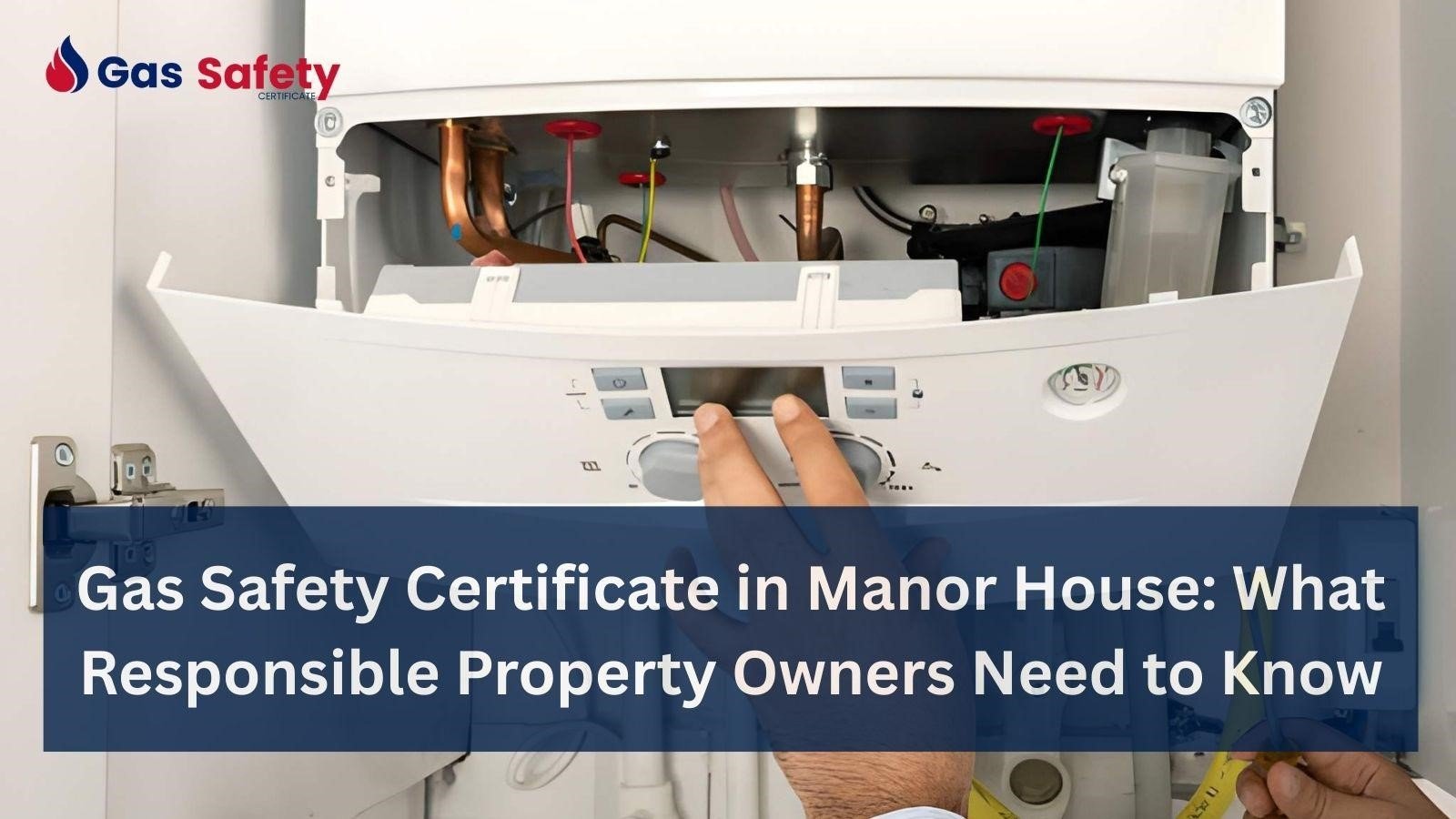
The engineer will inspect boilers, gas hobs, ovens, and any other gas appliances. They’ll look at flame patterns, pressure, seals, and signs of wear.
Flue and Ventilation Assessment
Older properties often fail here. Engineers check that fumes are vented safely outside and that rooms have adequate airflow.
Gas Tightness Testing
This ensures there are no leaks in the system, including pipework hidden behind walls or under floors.
Visual Installation Review
Installations are checked against current safety standards, even if they were compliant years ago.
If issues are found, they’re graded. Some require immediate action, while others may be advisory, giving landlords time to plan repairs.
Common Findings in Manor House Rentals
Based on inspection patterns across North London, certain issues appear more frequently in Manor House:
- Boilers approaching the end of their service life
- Flues passing through loft conversions without proper clearance
- Cookers connected with outdated bayonet fittings
- Ventilation was blocked during cosmetic refurbishments
These are rarely signs of neglect. More often, they’re the result of gradual changes over decades. Regular inspections prevent these from becoming serious safety risks.
Homeowners: Do You Really Need a Gas Safety Certificate?
While homeowners aren’t legally required to have an annual certificate, many choose to arrange one anyway. In Manor House, this is particularly sensible if:
- You’re planning to sell or remortgage
- Your boiler is more than ten years old
- The property has been altered or extended
- You’ve moved into a previously rented home
A safety check offers reassurance and a clear record of the system’s condition. It can also flag efficiency issues that affect energy bills.
Timing Inspections Around Tenancies
One common mistake landlords make is leaving inspections too late. In busy rental areas like Manor House, access can be tricky if tenants work long hours or share the property.
Best practice includes:
- Booking inspections several weeks before expiry
- Communicating clearly with tenants about access
- Keeping digital and paper copies of certificates
- Aligning gas checks with other safety inspections where possible
Platforms such as gassafetycertificateuk.co.uk are often used by property managers to track renewal dates and avoid last-minute scrambles.
The Role of Local Councils and Enforcement
Manor House properties fall under multiple council jurisdictions. Hackney, Haringey, and Islington all operate selective or additional licensing schemes that place increased scrutiny on rental safety.
During licensing inspections or complaints, gas safety documentation is one of the first things requested. Missing or expired certificates can delay licence approvals or trigger enforcement action.
Councils don’t expect perfection, but they do expect diligence. Keeping records organised and up to date goes a long way in demonstrating responsible management.
Gas Safety and Property Value
While rarely discussed, gas safety has a subtle impact on property value and marketability. Buyers and tenants are increasingly informed and cautious.
A well-maintained gas system:
- Reduces the risk of last-minute sale delays
- Supports smoother tenancy renewals
- Signals responsible ownership
Conversely, unresolved safety issues can derail transactions or lead to renegotiations. A current Gas Safety Certificate in Manor House acts as quite a reassurance rather than a selling point—but that reassurance matters.
Practical Tips for Staying Compliant Without Stress
Managing gas safety doesn’t need to be complicated. Experienced landlords often follow a few simple principles:
- Stick to annual schedules, even if the law allows some flexibility
- Use the same trusted engineer where possible
- Address advisory issues before they escalate
- Keep certificates accessible for tenants and agents
Many choose to centralise this process with providers like gassafetycertificateuk.co.uk, particularly when managing multiple properties or blocks.
Gas Safety in Shared and Converted Properties
Manor House has a high number of HMOs and converted flats. These bring additional complexity.
Landlords must ensure:
- Each appliance is covered by the inspection
- Shared boilers are checked annually
- Flues serving multiple flats are safe
- Tenants understand how to report issues
In HMOs, gas safety often intersects with fire safety and ventilation standards. Coordinating these checks can save time and reduce disruption.
Looking Ahead: Gas Safety in a Changing Housing Landscape
As the UK moves towards lower-carbon heating, gas systems remain dominant in Manor House. Older homes are likely to rely on gas for years to come.
This makes proper maintenance even more important. Well-maintained systems are safer, more efficient, and easier to transition when alternatives become viable.
For now, the Gas Safety Certificate remains a cornerstone of responsible property ownership.
Frequently Asked Questions
How often do I need a Gas Safety Certificate in Manor House?
Landlords must renew it every 12 months. Homeowners can arrange checks as needed, though annual inspections are recommended for older properties.
Can tenants refuse access for a gas safety check?
Tenants can’t unreasonably refuse access, but landlords must make genuine efforts to arrange appointments and keep records of communication.
What happens if an appliance fails the inspection?
The engineer may label it unsafe and disconnect it. Repairs must be completed before the appliance is used again.
Is a Gas Safety Certificate the same as a boiler service?
No. A gas safety check focuses on safety, while a service involves maintenance. Many landlords choose to combine both.
Do I need a certificate for a property that’s temporarily empty?
Yes, if it’s rented or about to be rented. Safety checks should be completed before new tenants move in.
How long should I keep gas safety records?
Landlords must keep them for at least two years, though longer retention is often sensible.